
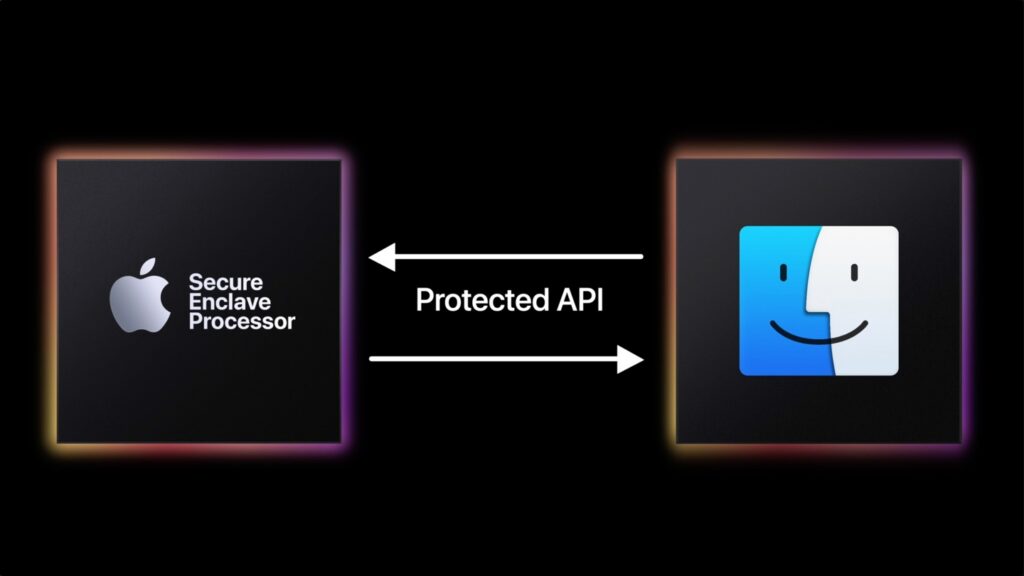
Originally reported November 12, 2026. Apple’s Security Engineering and Architecture and Core OS teams published a technical article describing how Secure Exclaves handle camera and microphone data for ambient sensing. The architecture is intended to let a device detect signals such as a nearby user or a voice command without giving the main operating system access to the raw audio or video used for that detection.
According to Apple’s description, Secure Exclaves run separately from the main operating system on a custom L4 microkernel. A Secure Page Table Monitor restricts access to their memory, while Secure IPC uses predefined interfaces to limit what components can exchange. In ambient-sensing mode, raw sensor data is discarded after processing; the main system receives only the metadata needed for a feature, such as a detected sound or a recognized user’s identity, location and recognition confidence.
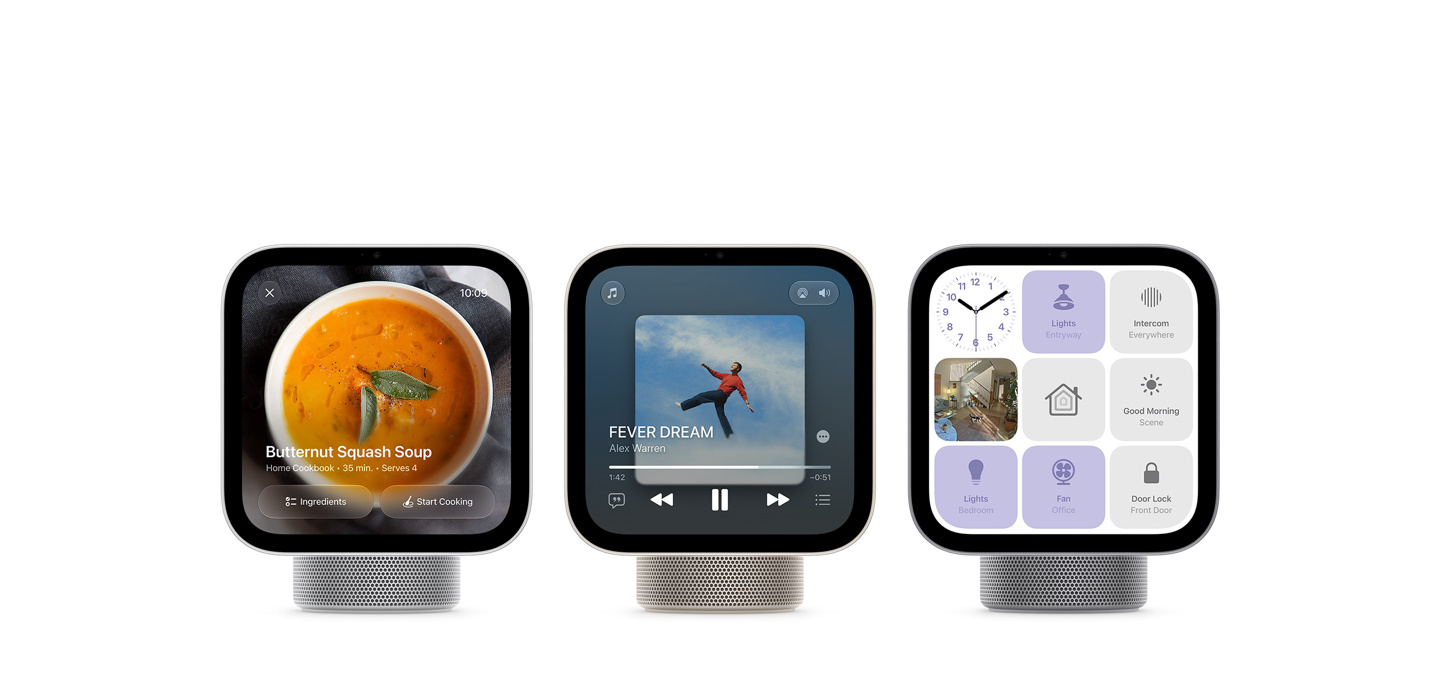
Apple describes HomeView as one application: its camera and microphone can help recognize up to six enrolled users and determine whether they are nearby. Separate camera and microphone enclaves process the inputs, with inference performed through an isolated neural-engine queue. The operating system then uses the resulting metadata—not the original images or audio—to adjust what it displays in features such as Calendar, Messages and Apple Music.
The article also uses “Hey Siri” on iPhone 18 Pro to explain the boundary between passive detection and active access. A low-power always-on processor first listens for a possible wake phrase; audio is then checked by audio and Siri enclaves. Before confirmation, the main operating system receives a notification to wake Siri, not the audio. Apple says audio can be sent to Siri services only after the user enters an active interaction and the microphone indicator and security checks are complete.
For sensor access that does release full data, an Exclave Indicator Controller checks that the relevant camera or microphone indicator has appeared for the required time before allowing transfer. On devices with an on-screen indicator, Apple says a separate display enclave checks the pixels actually shown—including their color, shape, duration and brightness—rather than relying solely on the operating system to draw the indicator.
Apple says Secure Exclaves also support camera and microphone screen indicators on iPhone 18 Pro, iPhone 18 Pro Max and iPhone Duo, and camera indicators on MacBook Neo and HomeView. Its microkernel uses capability-based permissions, and Apple says it is formally verifying parts of the C implementation against functional specifications. That verification is ongoing and does not yet cover the entire microkernel.
Source: ithome.com (originally published 2026-11-12 13:17 UTC+8)