Logic Foundry

Build with understanding.

Mechanical Revolution launches RTX Spark X10 desktop for local AI workloads

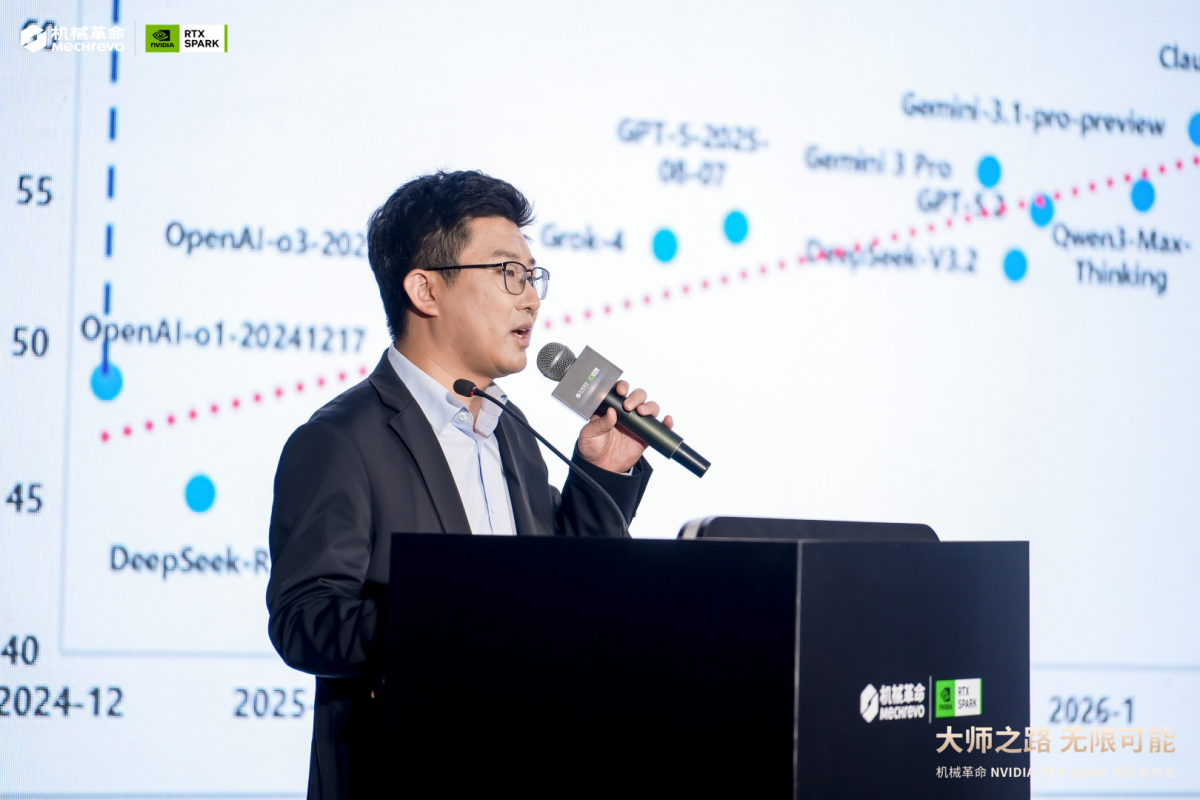
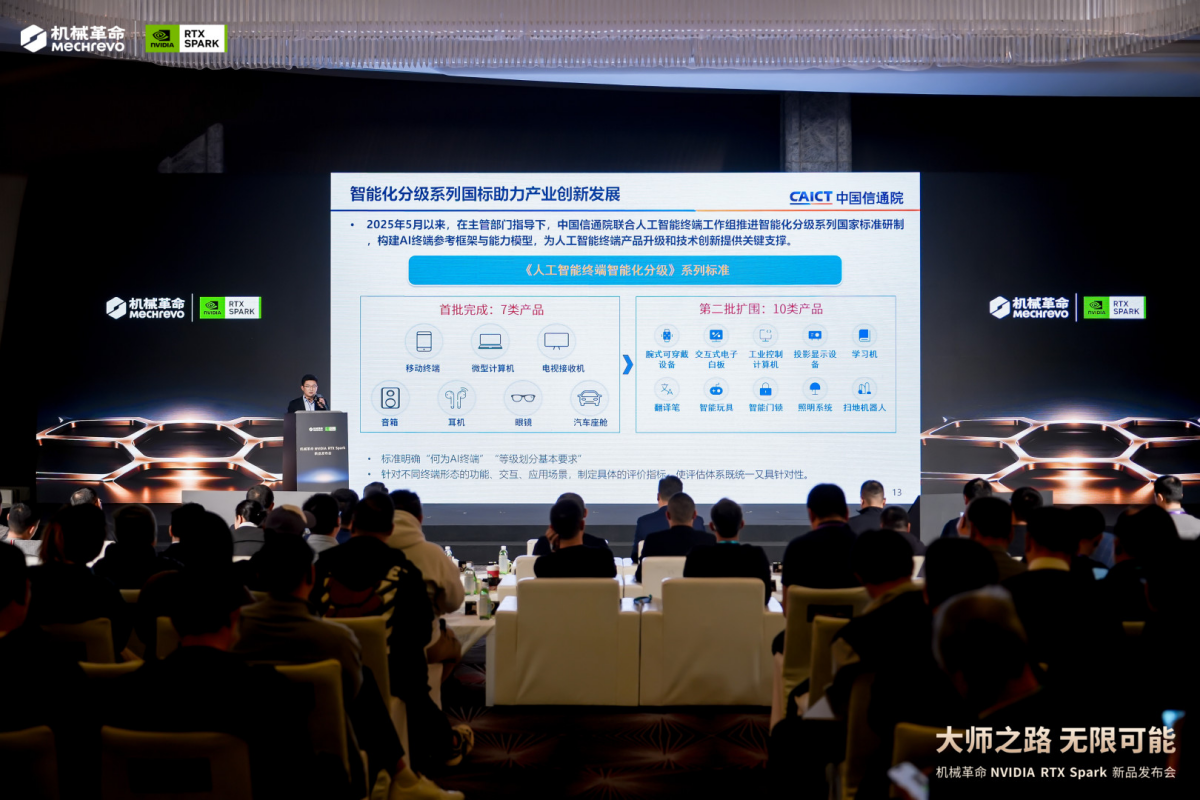
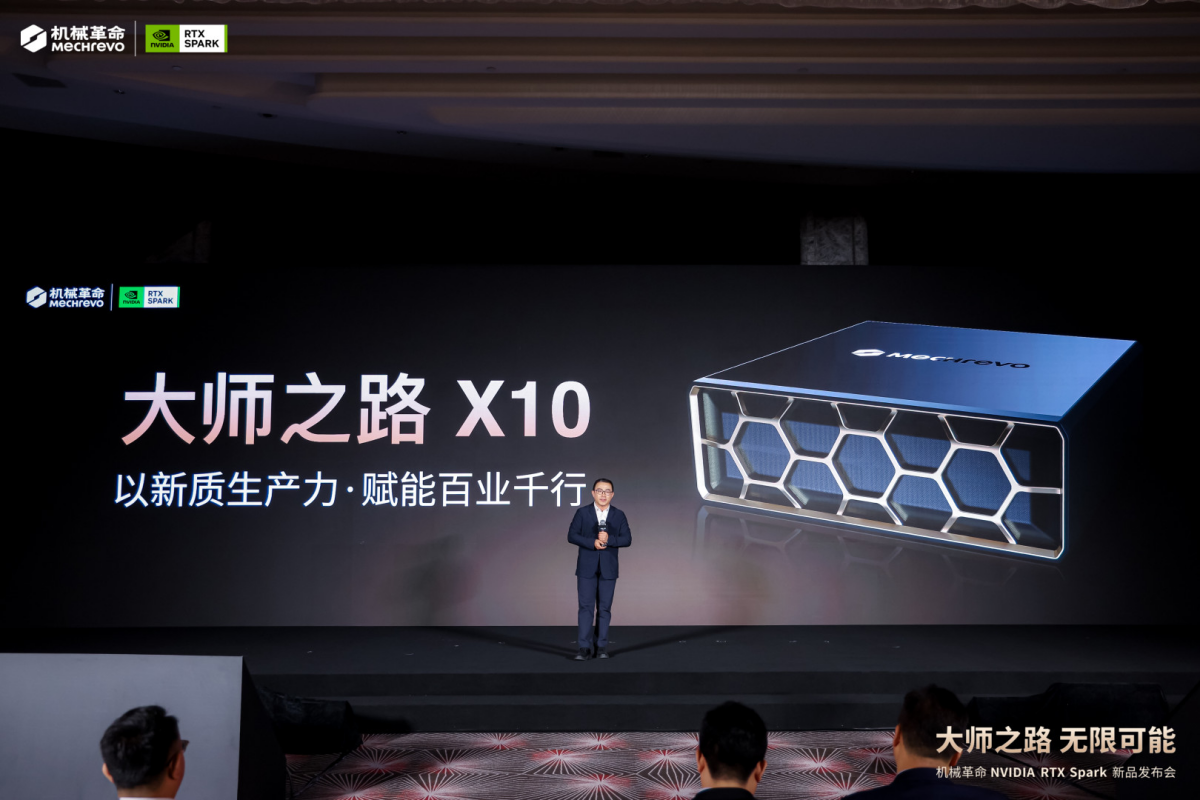
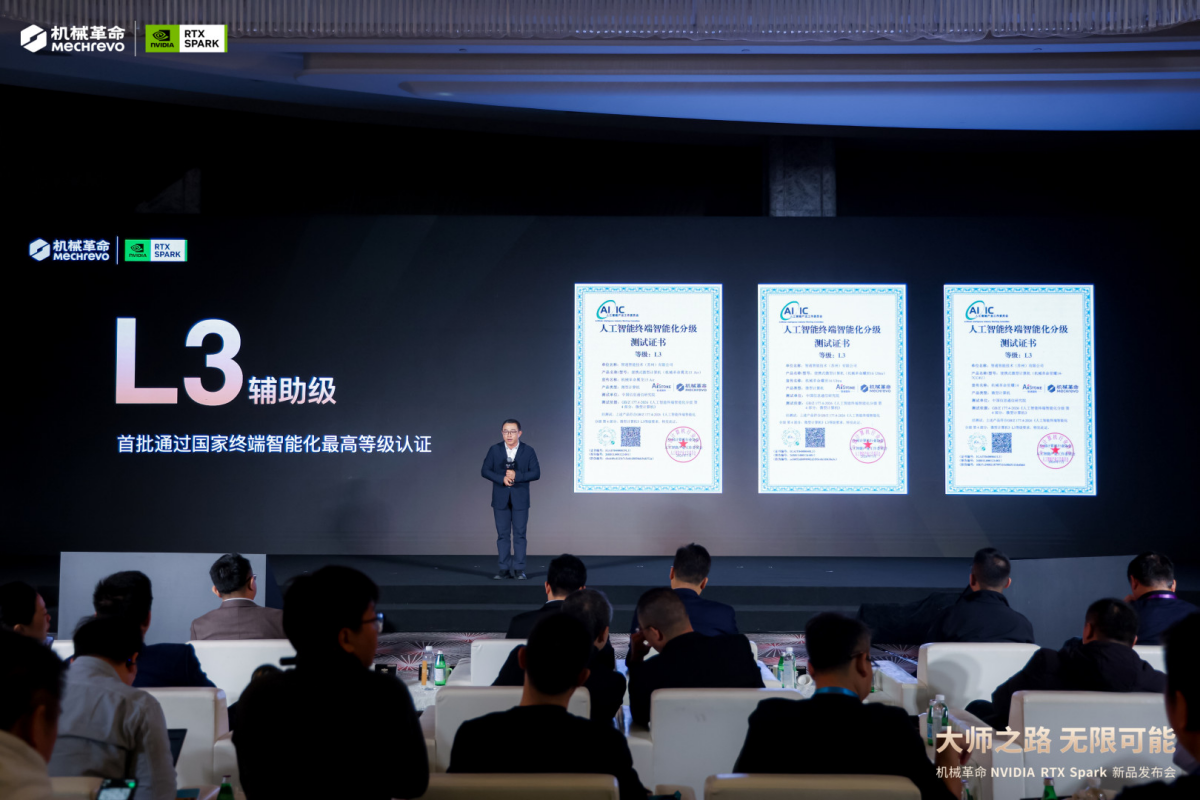
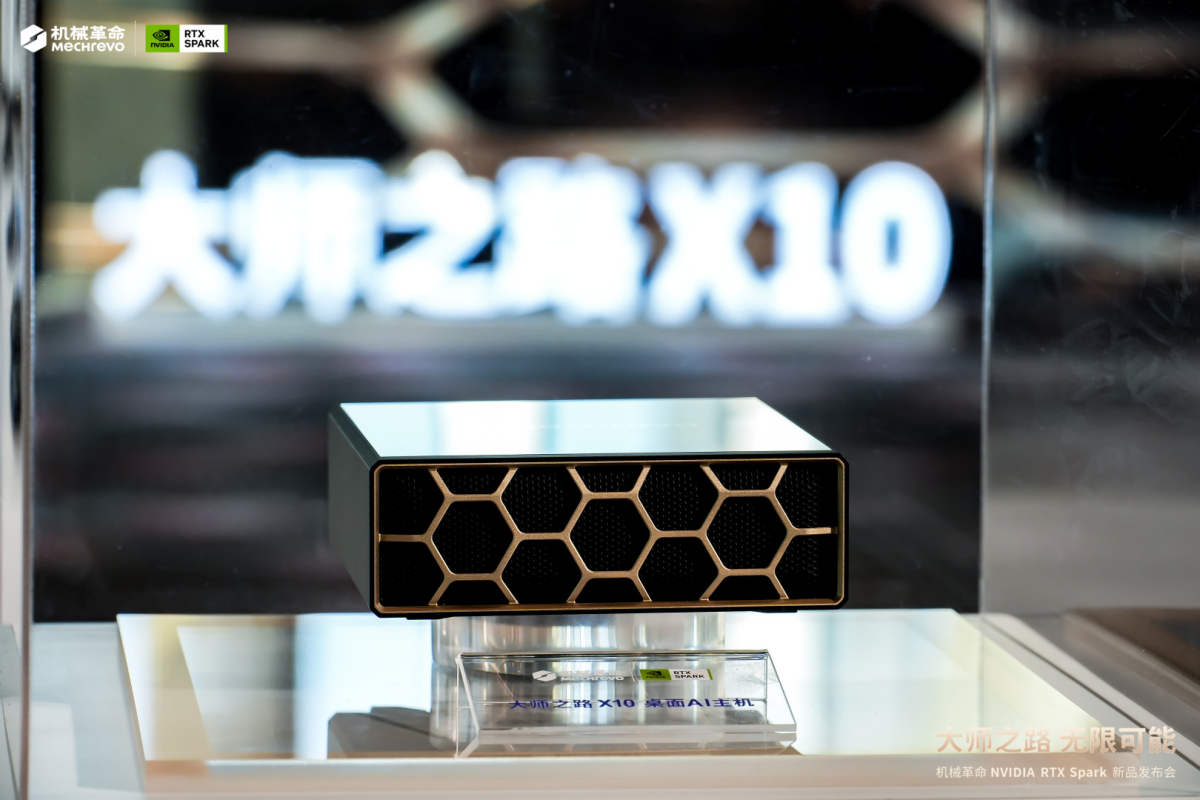
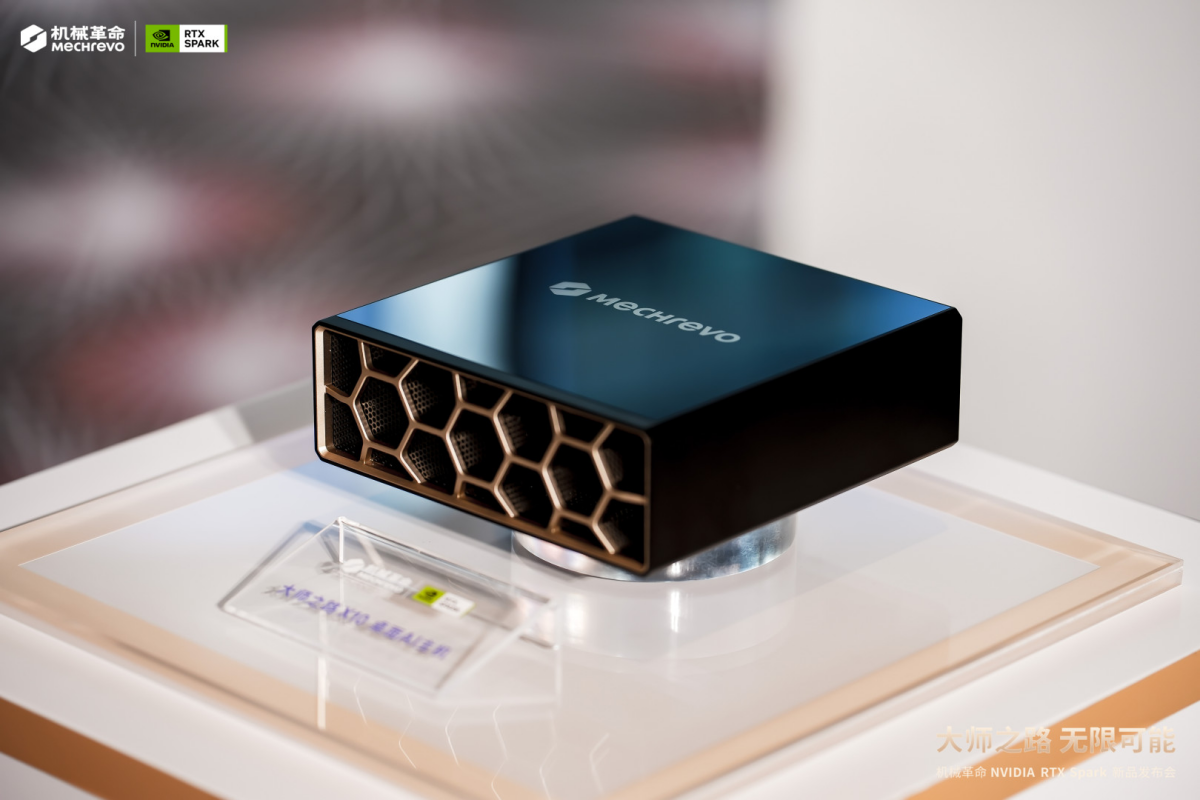
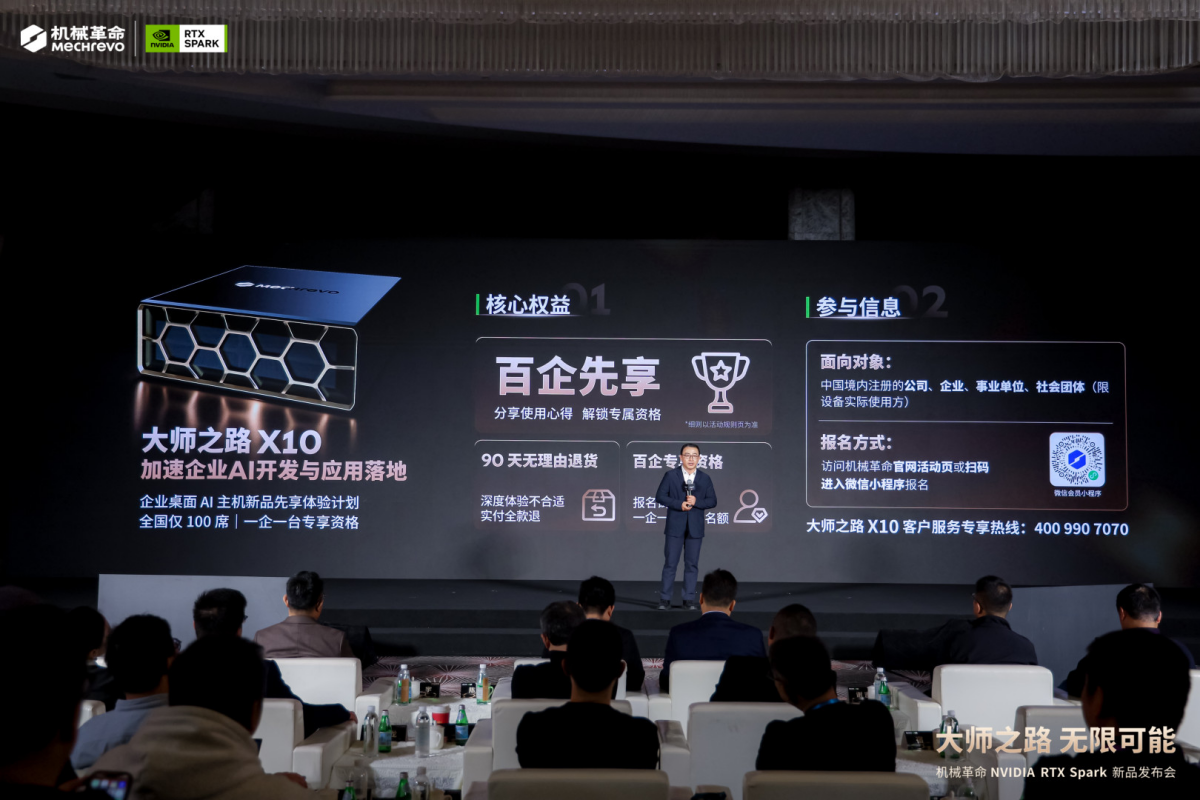
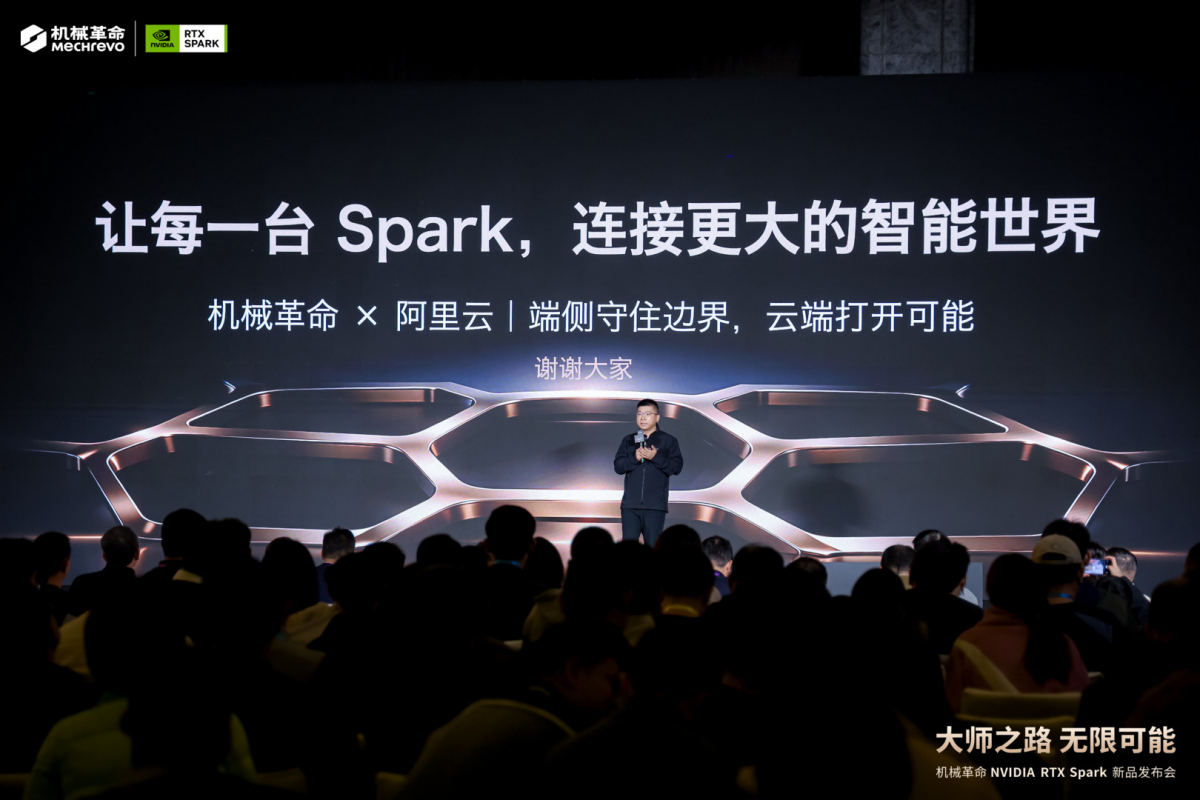
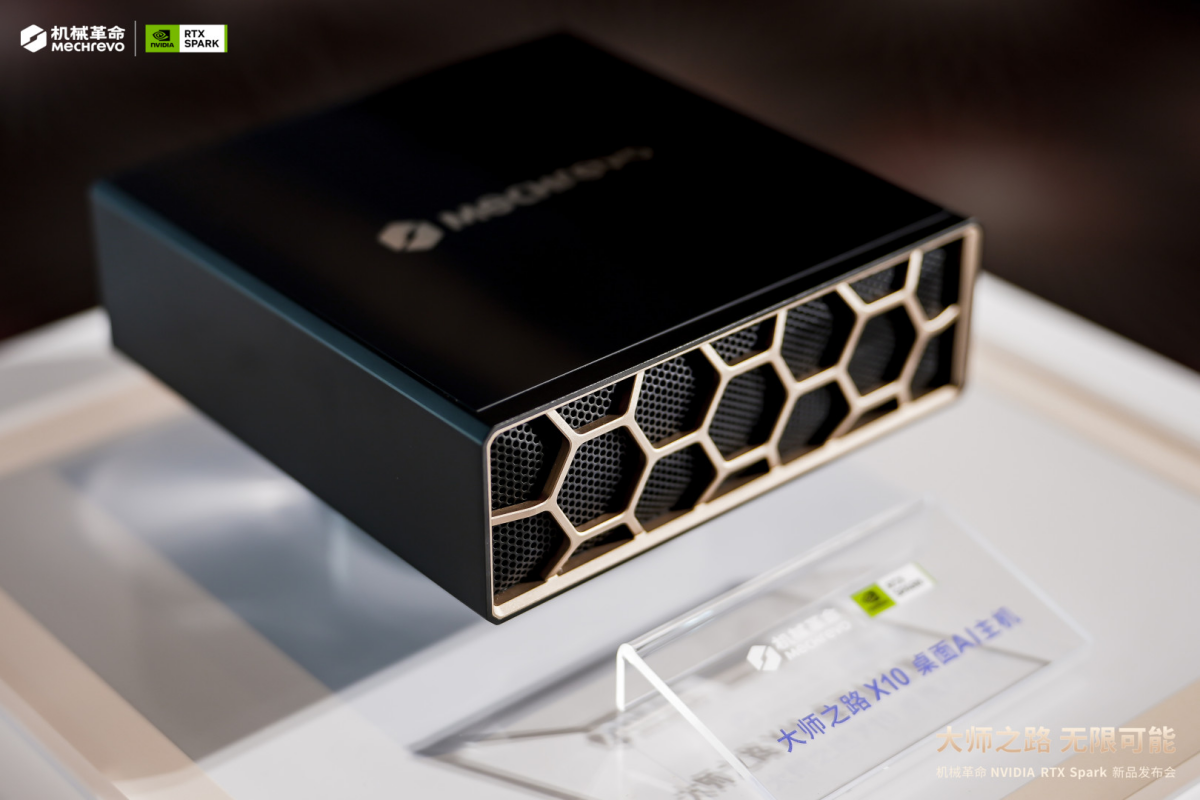
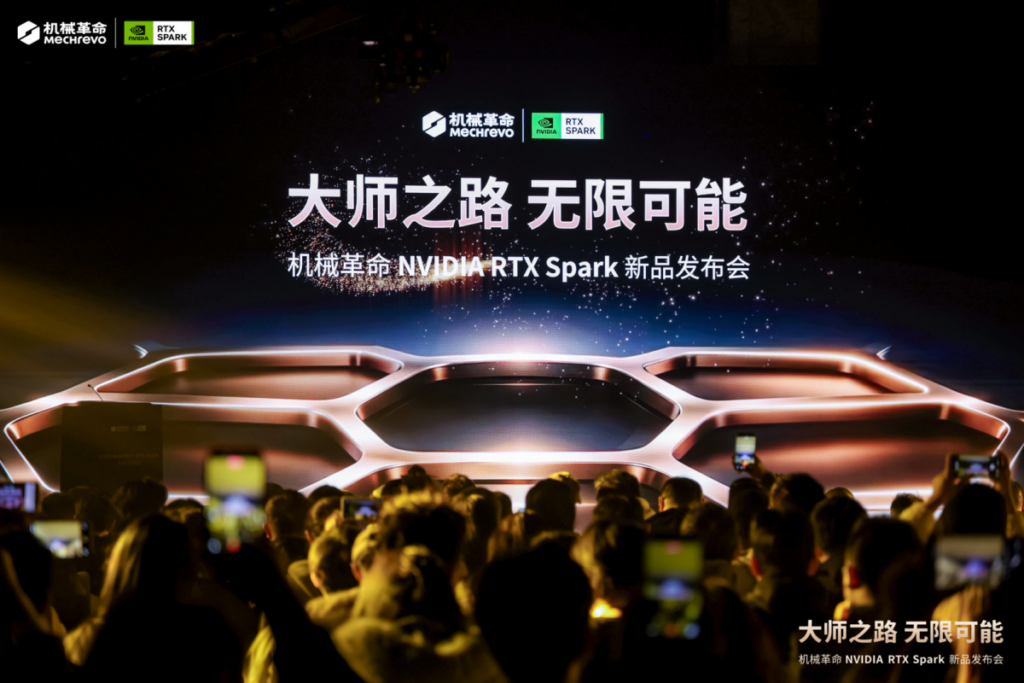
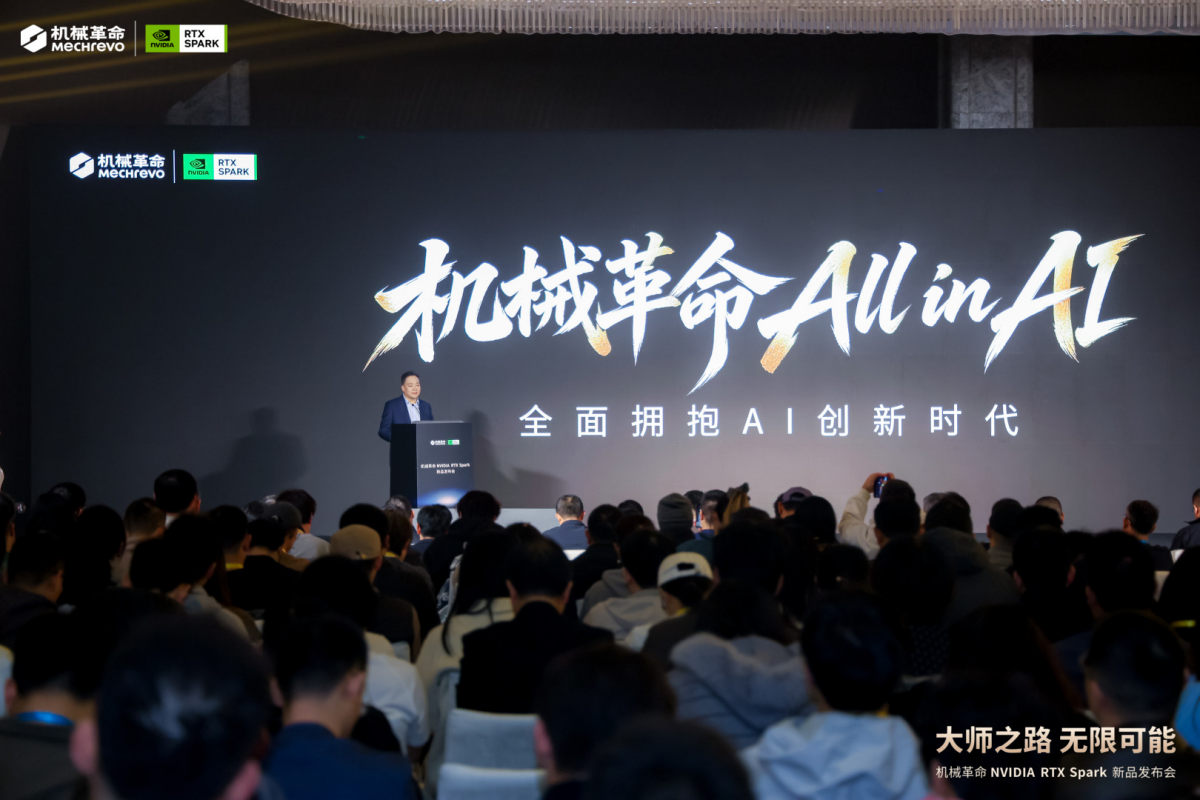
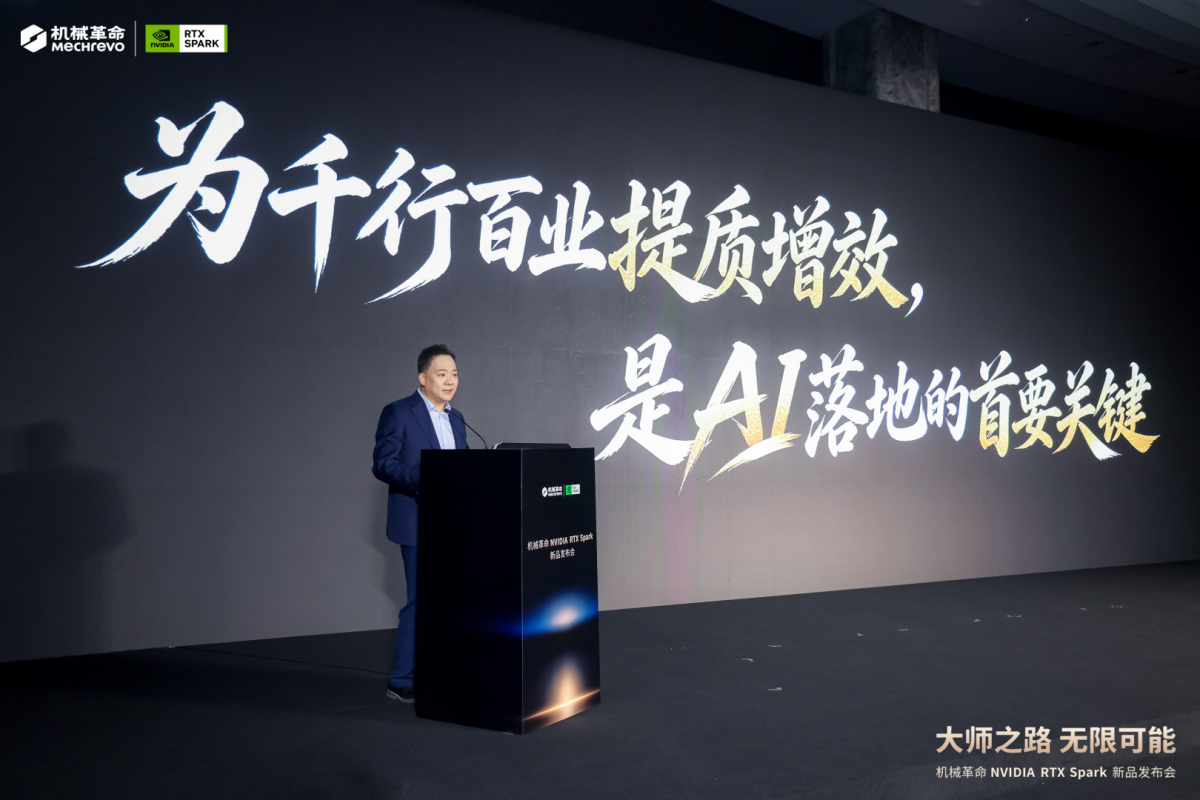
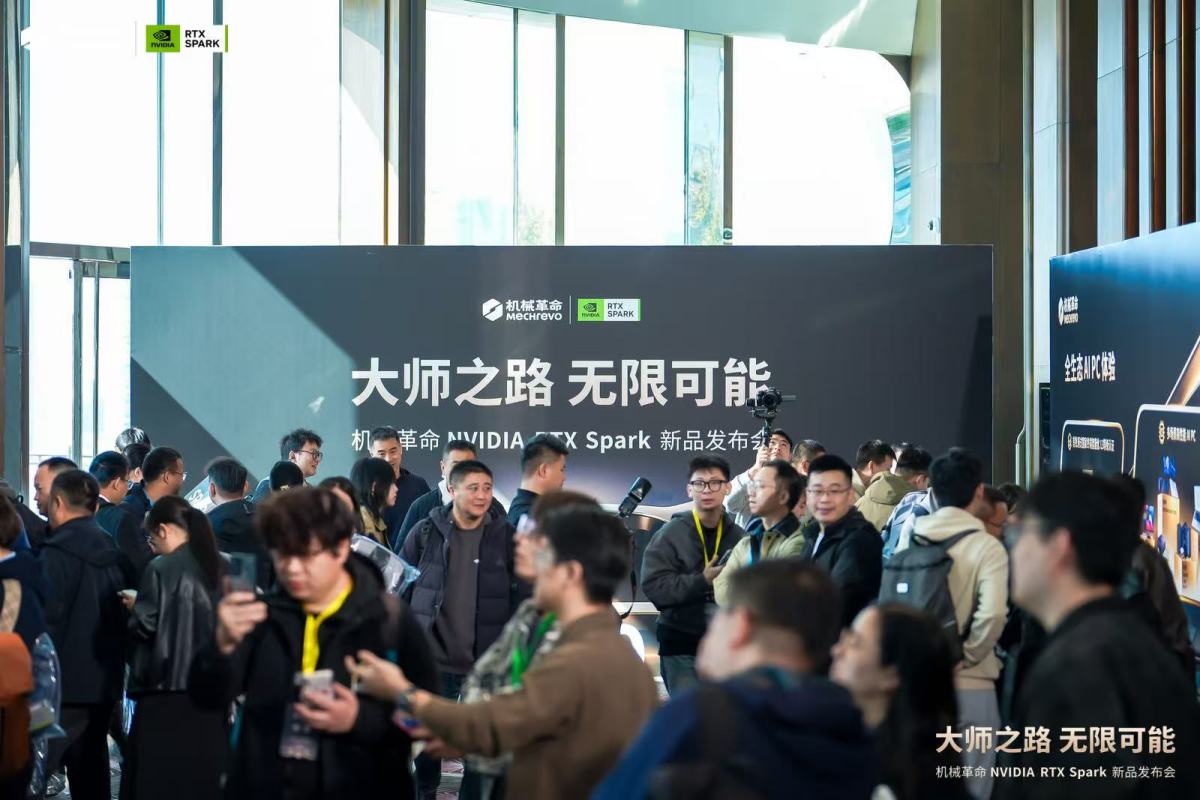
Mechanical Revolution unveiled the Master’s Road X10 enterprise desktop AI PC at an event in Hangzhou on November 19, 2026. As reported on November 20, the Windows 11 machine is built on NVIDIA’s RTX Spark platform and is intended to run models and agents locally rather than relying on cloud services for every task.
Mechanical Revolution launches RTX Spark X10 desktop for local AI workloads (1)
Mechanical Revolution launches RTX Spark X10 desktop for local AI workloads (2)
Mechanical Revolution launches RTX Spark X10 desktop for local AI workloads (3)
Mechanical Revolution launches RTX Spark X10 desktop for local AI workloads (4)
Mechanical Revolution launches RTX Spark X10 desktop for local AI workloads (5)
Mechanical Revolution launches RTX Spark X10 desktop for local AI workloads (6)

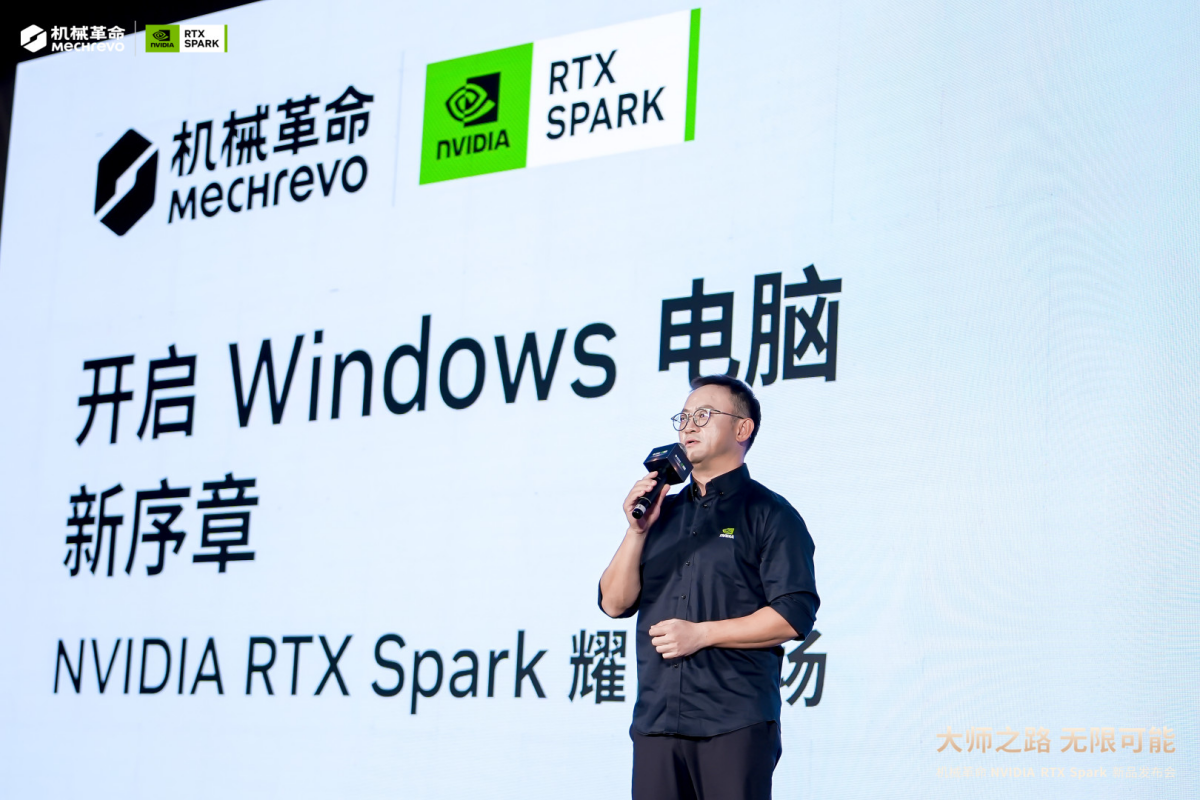
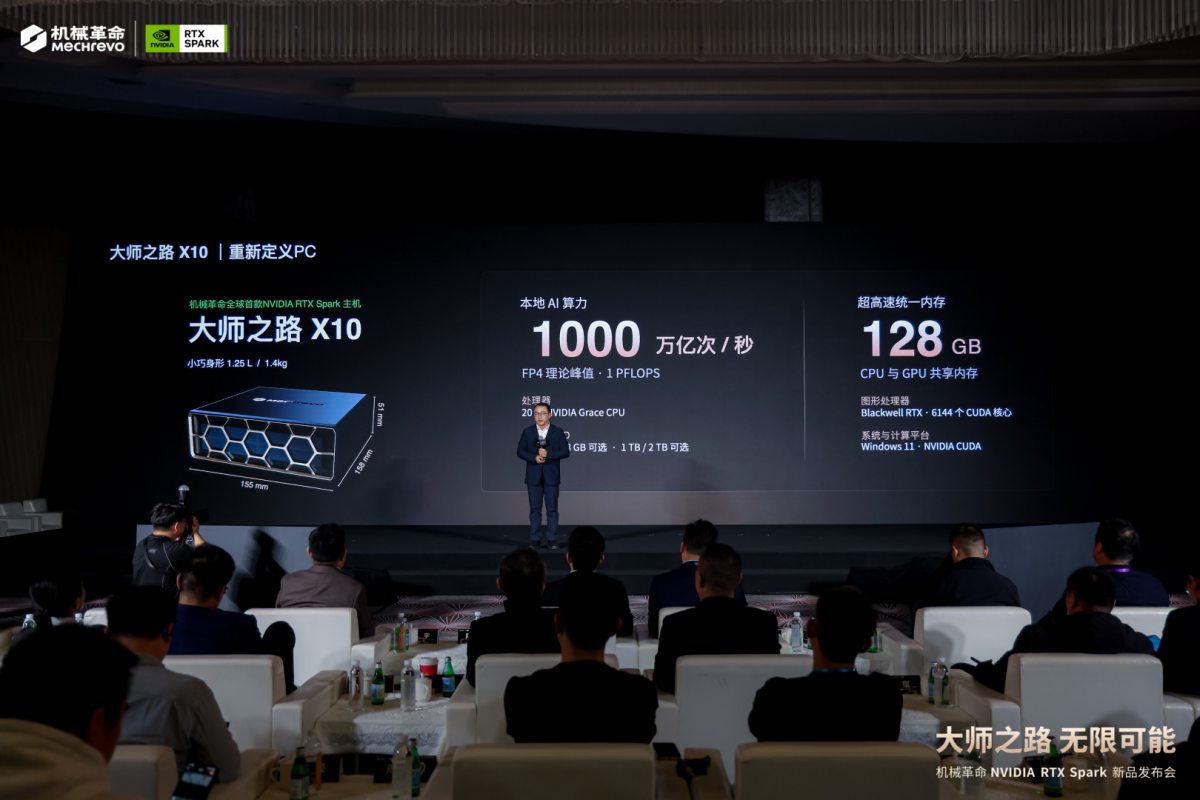
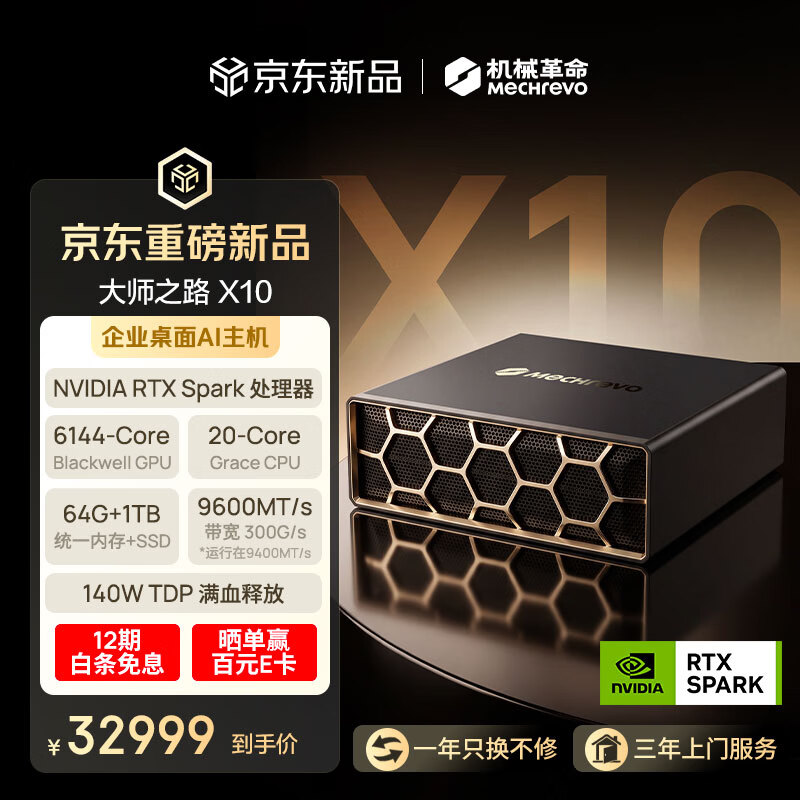
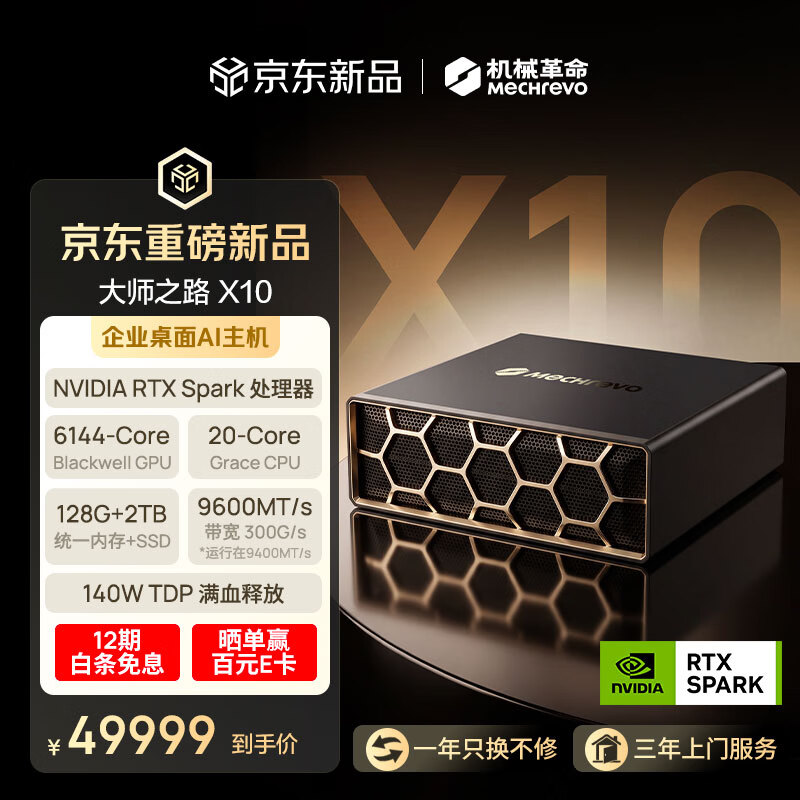
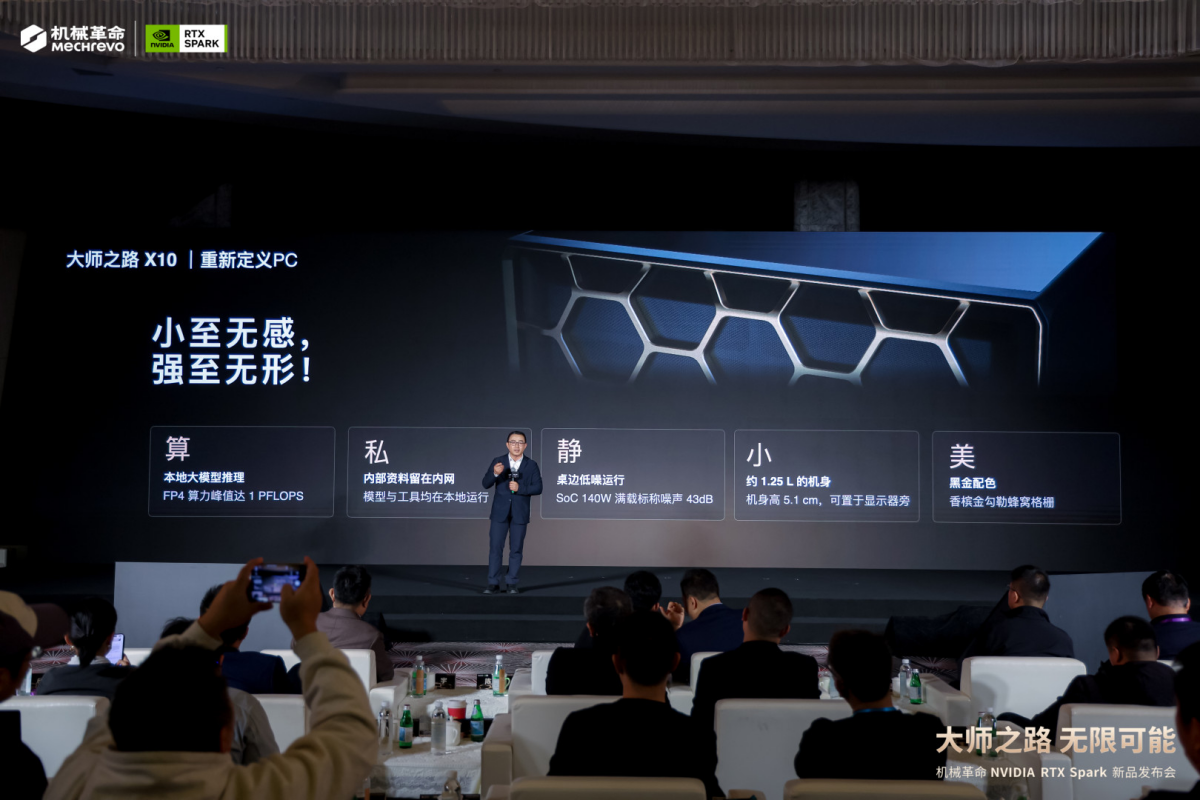
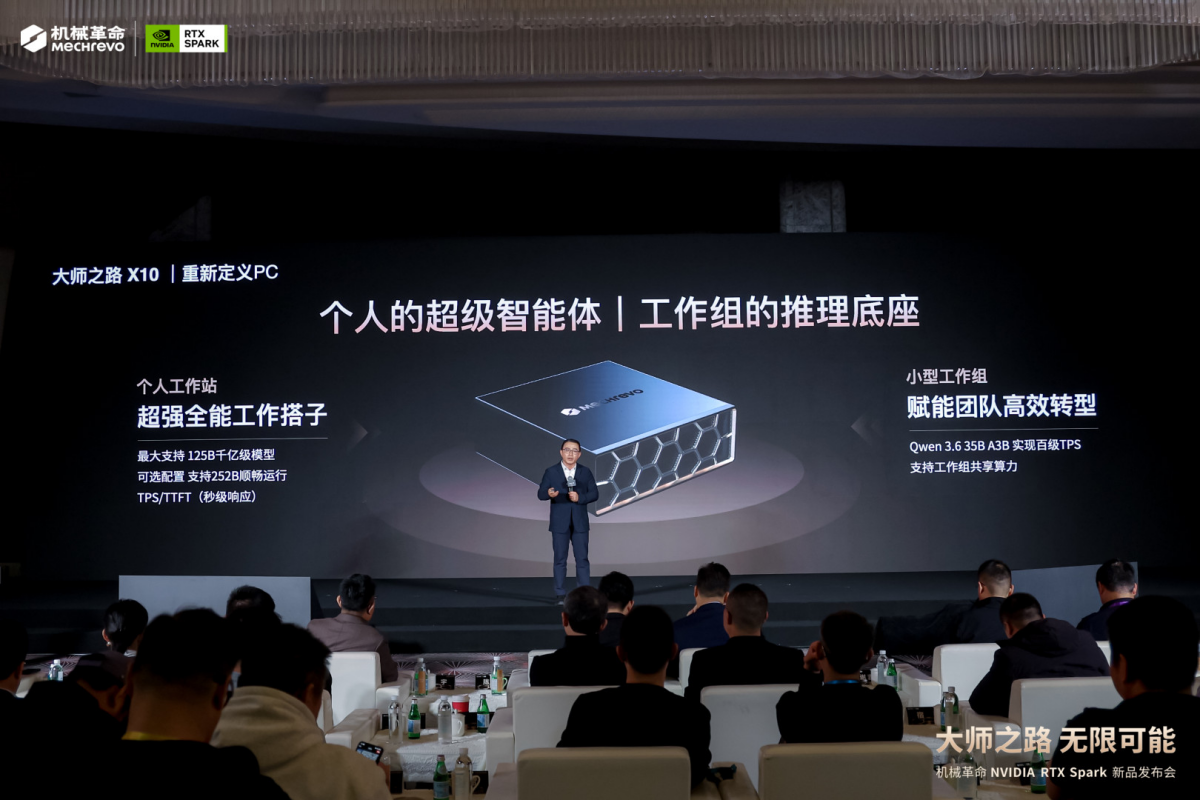
NVIDIA product director Wang Xin described a configuration with a Blackwell RTX GPU containing 6,144 CUDA cores, a 20-core NVIDIA Grace CPU, up to 128 GB of unified memory and up to 1 petaflop of AI performance. The machine also has 10-gigabit Ethernet for transferring large datasets and model files to and from network storage. These are announced specifications and performance claims, not independently reported benchmark results.
Mechanical Revolution launches RTX Spark X10 desktop for local AI workloads (7)
Mechanical Revolution launches RTX Spark X10 desktop for local AI workloads (8)
Mechanical Revolution launches RTX Spark X10 desktop for local AI workloads (9)
Mechanical Revolution launches RTX Spark X10 desktop for local AI workloads (10)
Mechanical Revolution launches RTX Spark X10 desktop for local AI workloads (11)
Mechanical Revolution launches RTX Spark X10 desktop for local AI workloads (12)

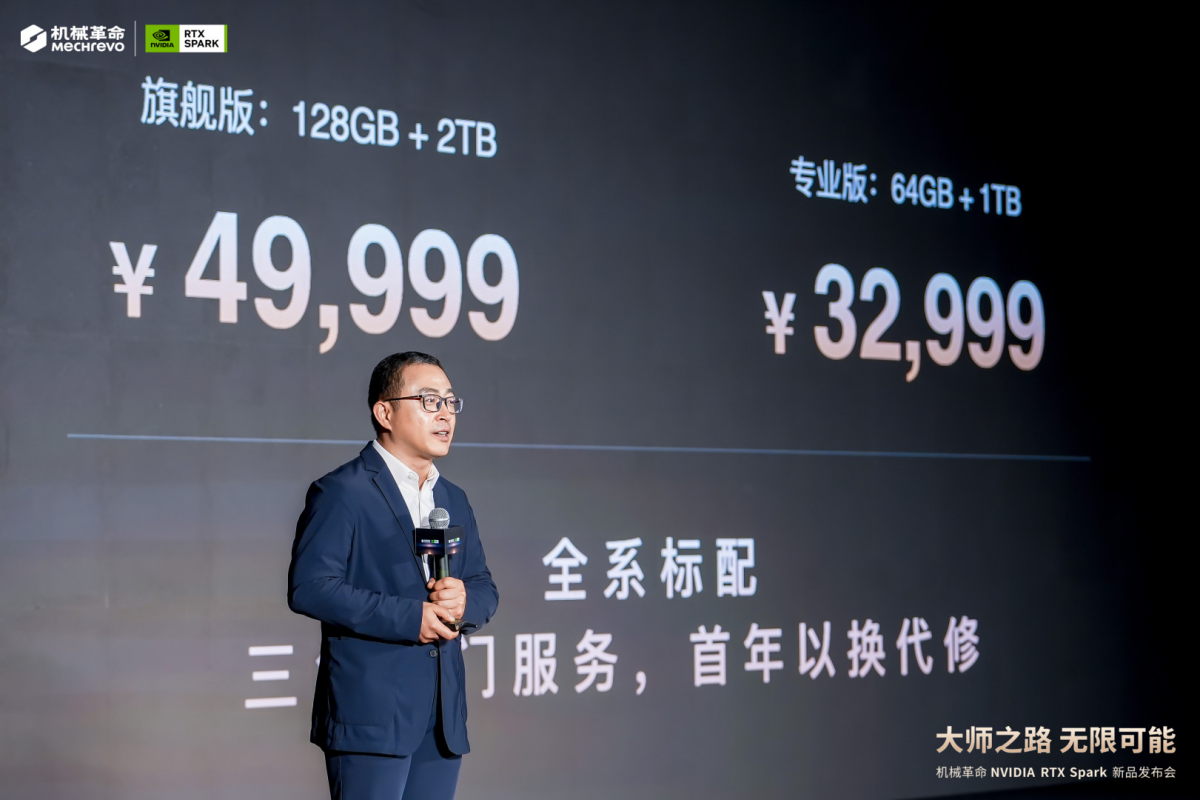
Mechanical Revolution listed two configurations: a 64 GB memory and 1 TB SSD version for 32,999 yuan, and a 128 GB memory and 2 TB SSD version for 49,999 yuan. The company positioned the X10 as a dedicated system for local inference, model fine-tuning, image and video generation, and agents that can continue running while a user works on another computer. The announcement did not provide measured results for those workflows.
Mechanical Revolution launches RTX Spark X10 desktop for local AI workloads (13)
Mechanical Revolution launches RTX Spark X10 desktop for local AI workloads (14)
Mechanical Revolution launches RTX Spark X10 desktop for local AI workloads (15)
Mechanical Revolution launches RTX Spark X10 desktop for local AI workloads (16)
Mechanical Revolution launches RTX Spark X10 desktop for local AI workloads (17)
Mechanical Revolution launches RTX Spark X10 desktop for local AI workloads (18)

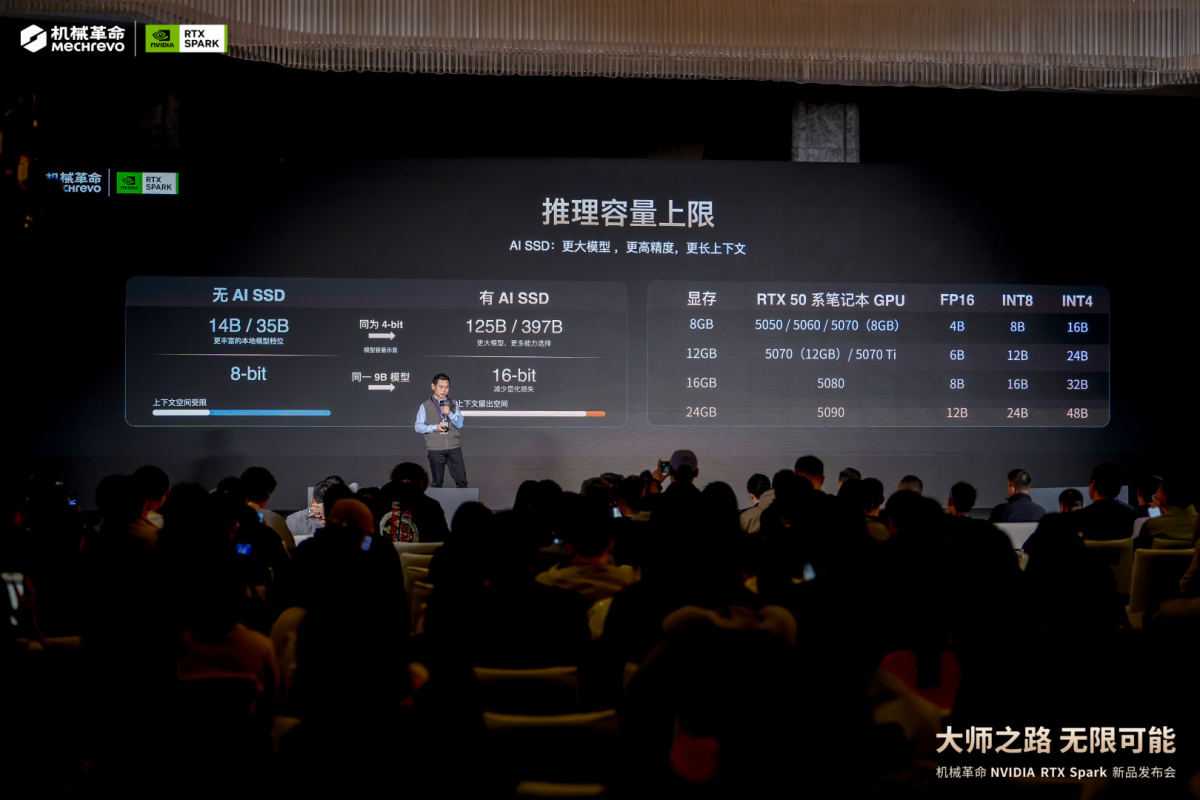
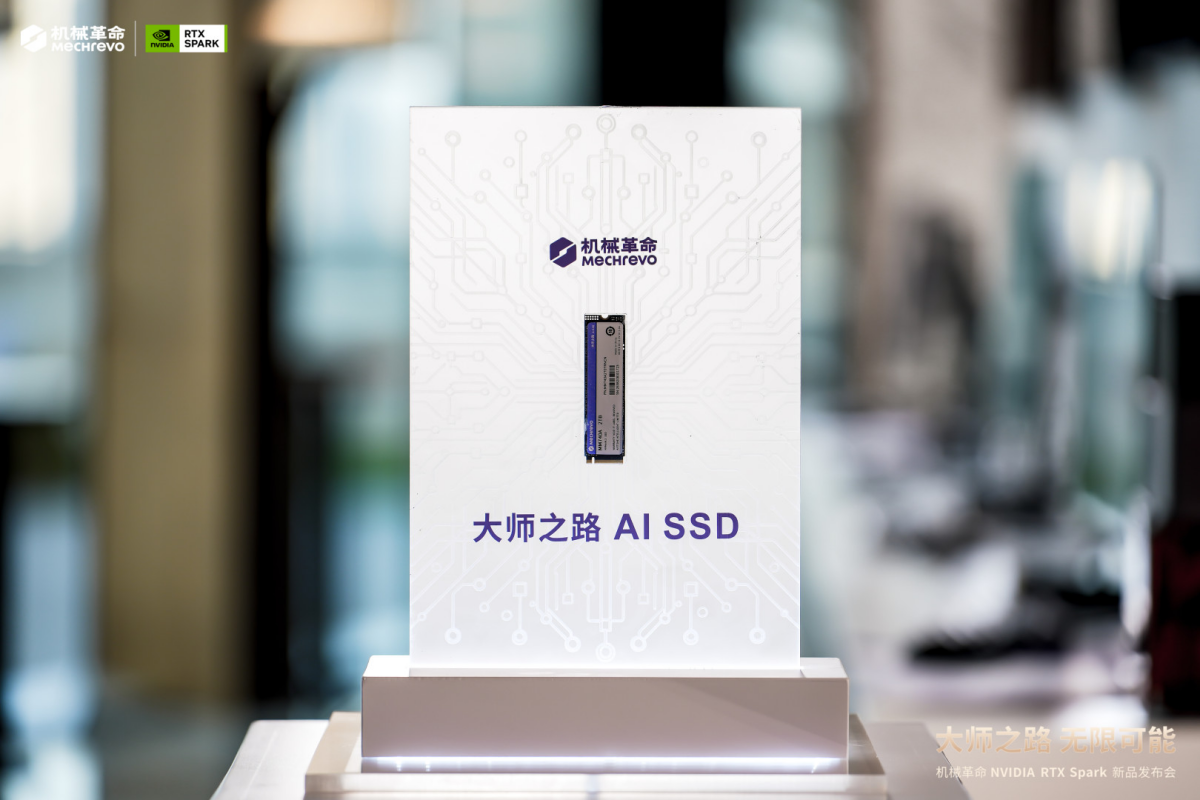
The company also presented an AI SSD concept aimed at memory and bandwidth constraints in local model use. Its proposed techniques include KV-cache reuse, software-based expansion of available GPU memory and long-term memory management for agents. No measured benefit or shipping details were given in the report.
Mechanical Revolution launches RTX Spark X10 desktop for local AI workloads (19)
Mechanical Revolution launches RTX Spark X10 desktop for local AI workloads (20)
Mechanical Revolution launches RTX Spark X10 desktop for local AI workloads (21)
Mechanical Revolution launches RTX Spark X10 desktop for local AI workloads (22)
Mechanical Revolution launches RTX Spark X10 desktop for local AI workloads (23)
Mechanical Revolution launches RTX Spark X10 desktop for local AI workloads (24)

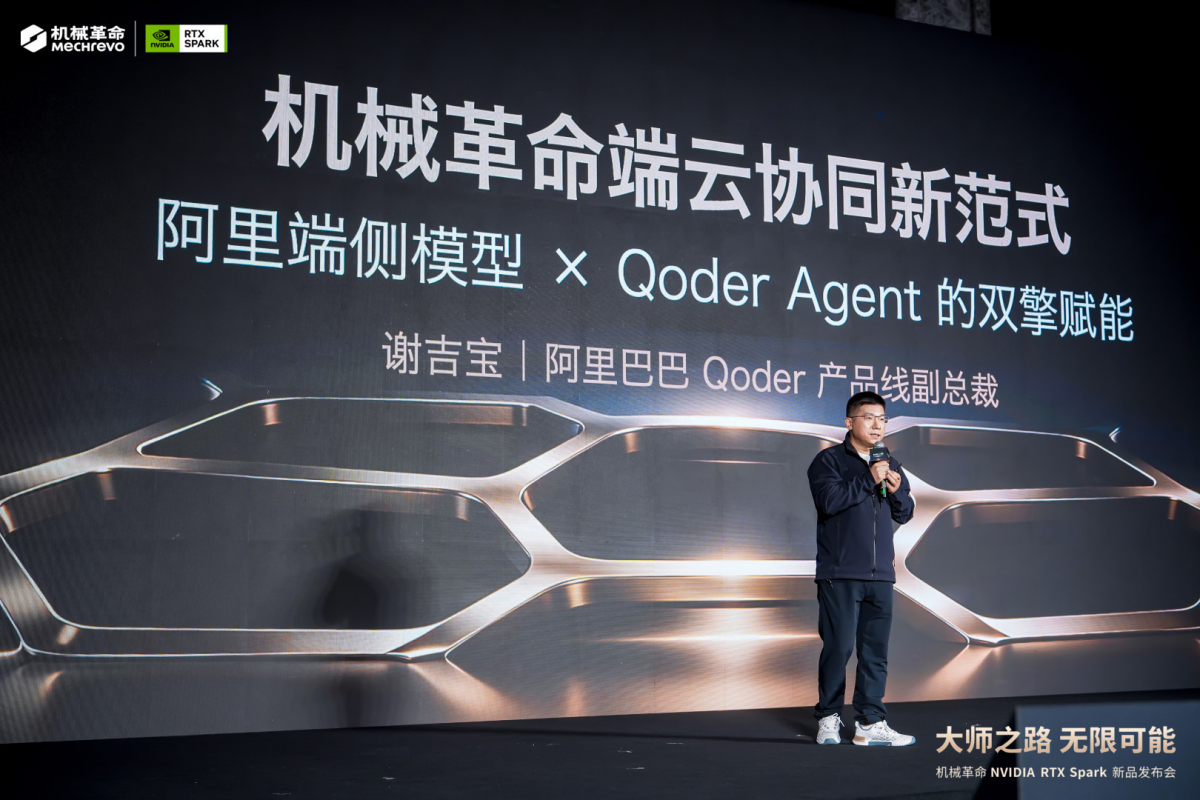
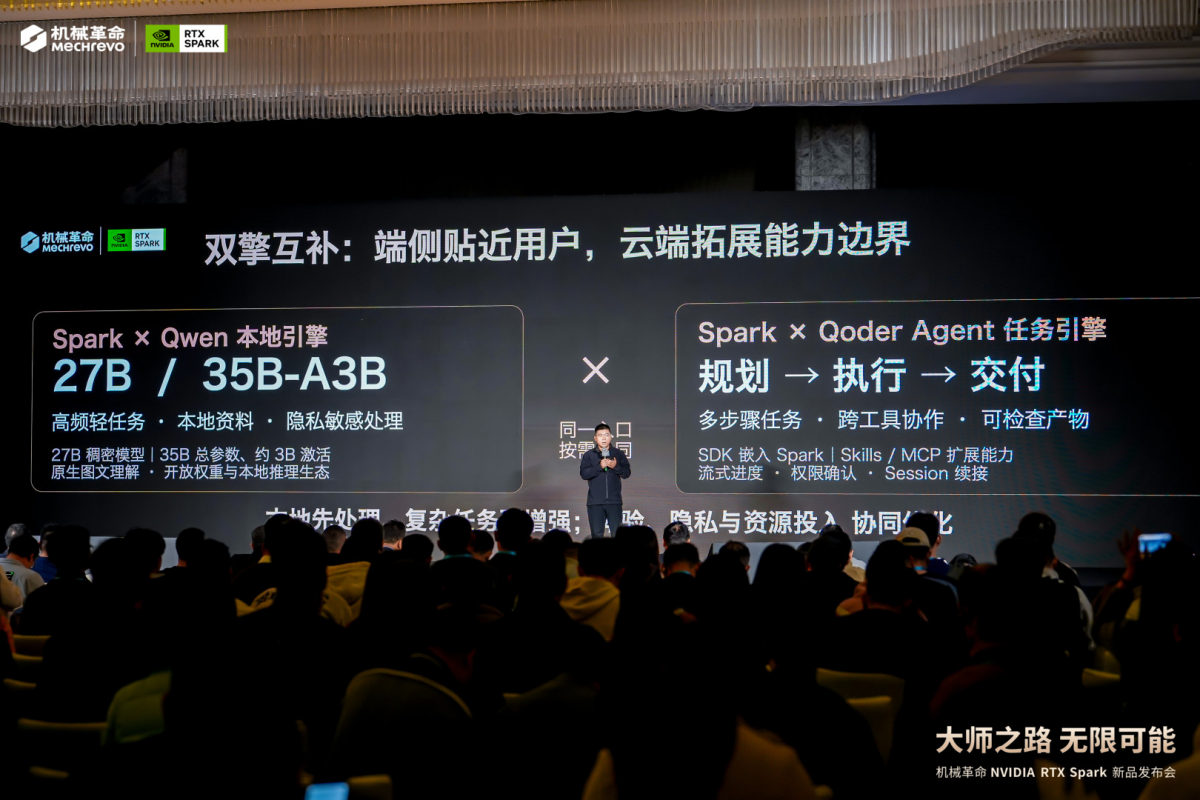
For software workflows, Alibaba Qoder product-line vice president Xie Jibao described a planned division of labor: a local Qwen model would handle documents, frequent tasks and privacy-sensitive content, while Qoder Agent would support coding, testing, research and document work. Cloud inference and planning would be brought in when needed, subject to the user’s authorization and applicable data policies. That arrangement should not be read as a guarantee that every task stays on-device.