
As reported on November 19, 2026, Tiger Data had released pg_vectorsearch, an open-source PostgreSQL extension for vector similarity search. The extension was in alpha. Its PRISM index uses partitioning and compression rather than the graph-based approach used by pgvector’s HNSW index.
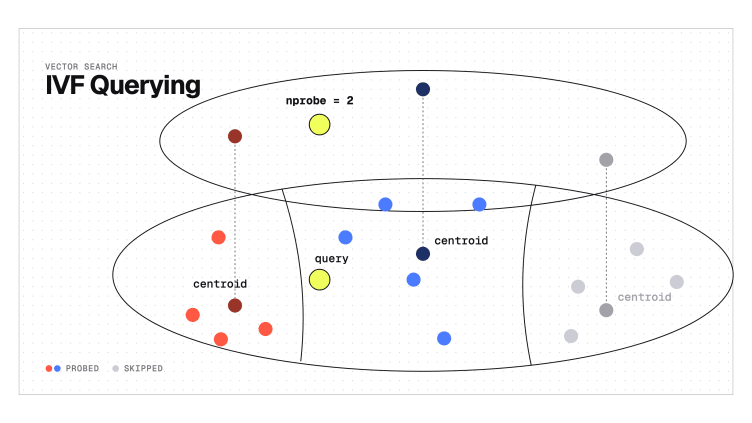
PRISM groups similar vectors into partitions and stores them in compressed lists. A search narrows its scope to relevant partitions and scans those lists sequentially. Tiger Data says this design can reduce index size, memory use and build time. According to a technical explanation by Tiger Data co-founder and CTO Michael Freedman, the index also uses hierarchical clustering to narrow the search space and RaBitQ quantization to reduce distance-calculation costs. It duplicates vectors near partition boundaries to improve recall and relies on PostgreSQL’s storage, logging and concurrency mechanisms.
The extension works with existing pgvector columns. Tiger Data gives this example for enabling it and creating a PRISM index:
CREATE EXTENSION pg_vectorsearch;
CREATE INDEX ON documents USING prism (embedding vec32_l2_ops);
In Tiger Data’s own benchmark using 100 million vectors, PRISM built an index in 1 hour 40 minutes on a machine with 128 GB of memory; HNSW took 42 hours on a machine with 512 GB. These figures have not been independently verified. Tiger Data used open-source benchmarking tools, compared recall at 10 against exact search, and says its index comparison used the same PostgreSQL configuration and instance types, with pgvector’s 16-bit halfvec for HNSW.
There are practical limits to consider before adopting it. pg_vectorsearch requires PostgreSQL 18 or later and supports vectors of up to 1,968 dimensions. Filtered vector search combining WHERE and ORDER BY was not supported ahead of general availability. Freedman also said incremental rebalancing remained incomplete: as data changes, cluster centers do not automatically move, and index lists can lose their original physical locality. Frequently changing datasets may therefore need index rebuilds to maintain search efficiency.
Tiger Data had made the code available on GitHub and planned to move its existing pgvectorscale extension into maintenance mode. For teams evaluating vector search within PostgreSQL, the reported build-time and memory results are a reason to test PRISM against their own data and query patterns—not a substitute for independent validation or a production-readiness guarantee for an alpha release.