
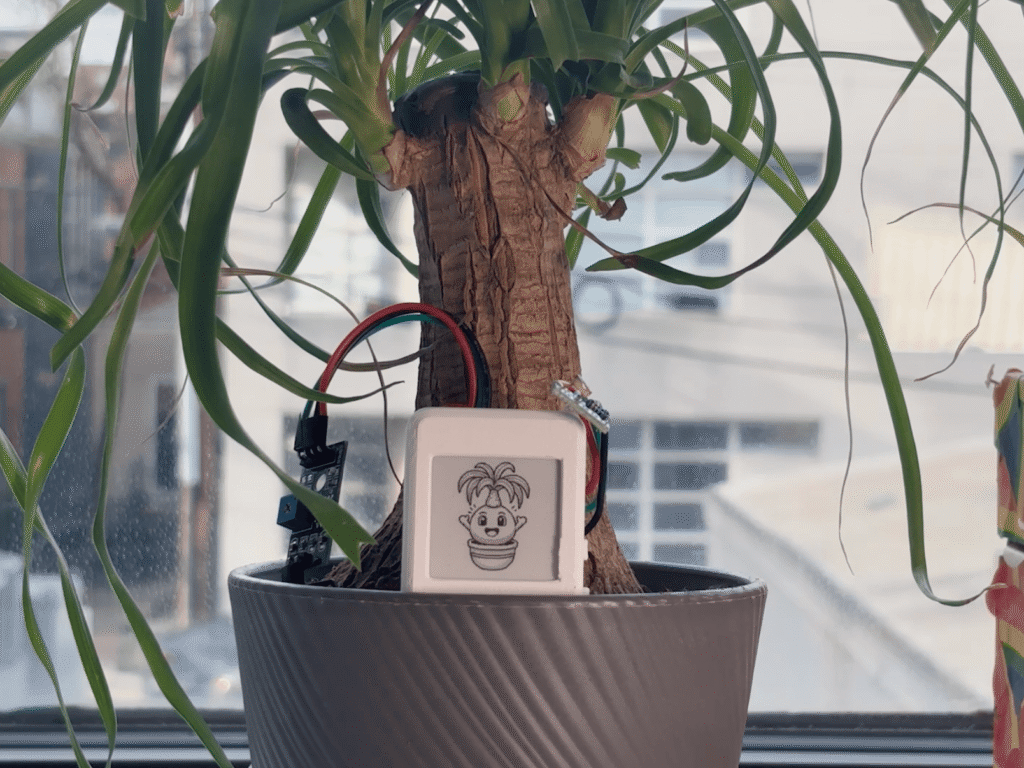
As reported on November 15, 2026, Carnegie Mellon University researcher Daehwa Kim has developed Object Agent Twins, or OATs: small E Ink devices that attach to everyday objects and show a character whose expression changes with sensor readings. Kim presented the research at the ACM Symposium on User Interface Software and Technology in Detroit in early November, where it received two Honorable Mention awards.
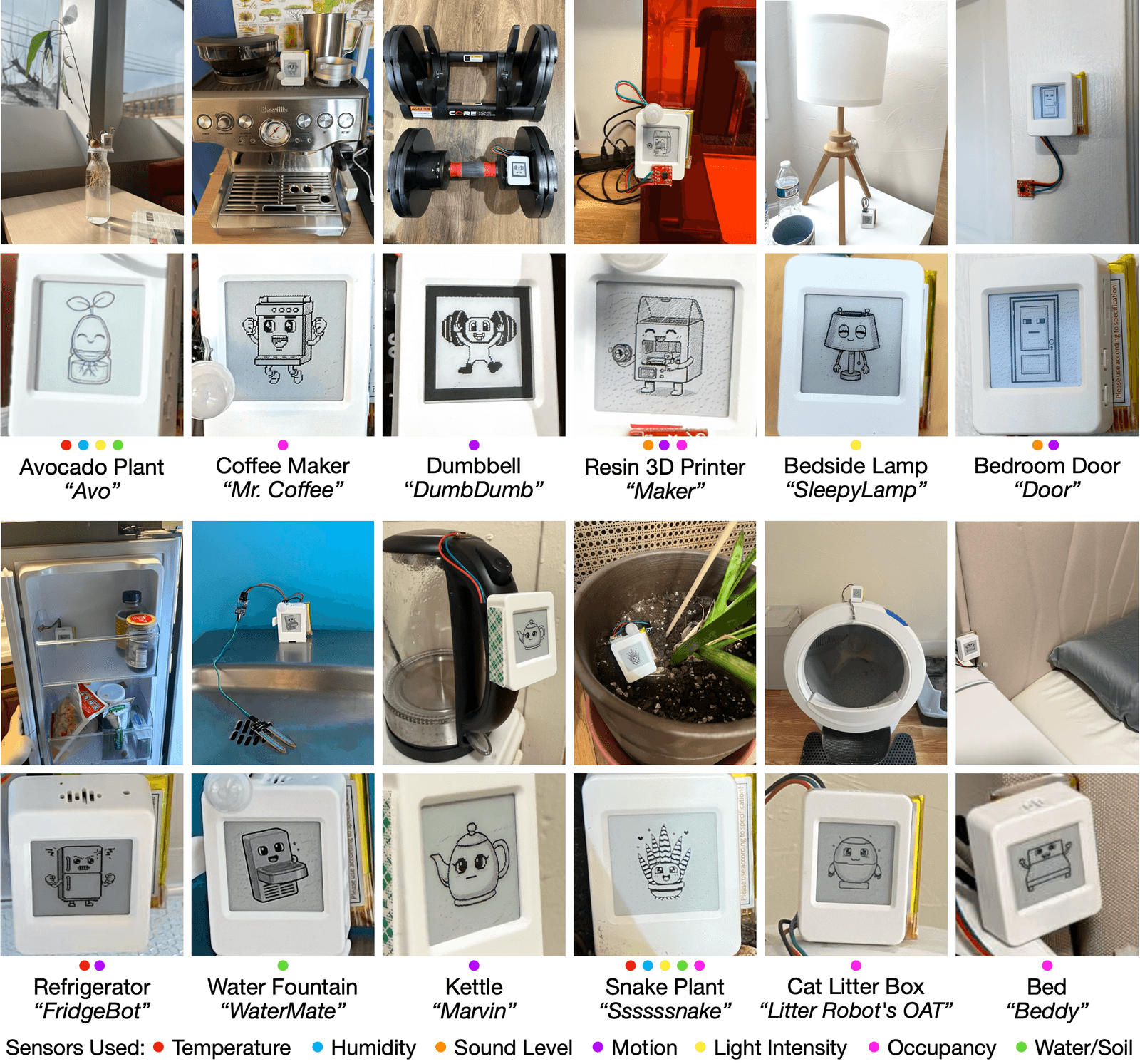
An OAT can use internal and external sensors to monitor conditions such as moisture, temperature, humidity, light, occupancy, motion and sound. In a web portal, users name the OAT, select sensors and configure which readings count as positive or negative for the attached object. Google Gemini’s Nano Banana image-generation service creates the character’s expressions for different states.
The setup depends on the object. A plant’s character could respond to moisture readings, with its triggers adjusted for the plant’s needs. On a skateboard, motion sensing could make the character appear lonely after several days without use and happy when the board moves. Kim said people also attached OATs to a coffee machine, a 3D printer and a dumbbell—to signal use or encourage a routine.
Battery life is the main practical constraint. According to Kim, an OAT lasts about three to four days, or roughly one day when paired with the sound-level sensor. Its lithium-ion polymer battery charges through USB-C. The main hardware module costs around $20, but Kim has not decided whether to sell kits; OATs remain a proof of concept.
The project also raises a design question: whether giving a device humanlike emotions encourages users to place too much trust in it. Kim said she deliberately limited OATs to expressions on the E Ink screen rather than broader interactions.