
In a report published on November 14, 2026, WIRED described two different ways automation is entering aviation: aircraft that can fly without a pilot touching the controls, and software intended to help air traffic controllers anticipate problems. Neither development means passenger flights or air traffic control have become autonomous.
Joby Aviation said a Cessna Caravan flew a 3,200-mile route from California to North Carolina in September without its onboard safety pilot intervening. The aircraft navigated busy airspace and avoided storms, according to the company. It was a demonstration, not a passenger service without a pilot aboard.
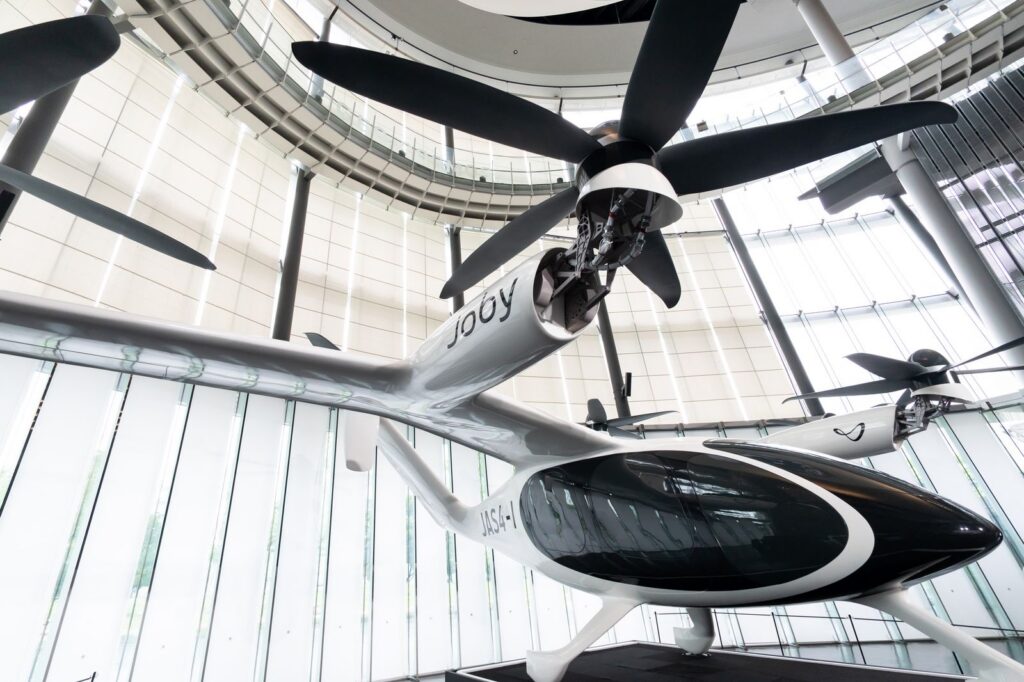
Joby is also testing its S4 electric vertical takeoff and landing aircraft. Its chief policy officer, Greg Bowles, said the company’s demonstration flights under a federal pilot program would progress through stages with increasing oversight. The initial flights will have human pilots. That leaves a substantial gap between today’s demonstrations and the longer-term goal of aircraft that fly themselves.
On the ground, the FAA announced in September 2026 that it had deployed SMART—Strategic Management of Airspace, Routes and Trajectories—software built by Air Space Intelligence. The agency says the predictive tool is meant to help controllers identify scheduling and traffic problems, not replace their decisions. FAA administrator Bryan Bedford said it could help reduce delays and optimize traffic while maintaining safety.
The distinction between advice and control matters. An anonymous, recently retired FAA employee questioned whether controllers could catch bad information supplied by a new system. WIRED also reported that, on October 13, nearly two dozen Democratic lawmakers asked the Government Accountability Office to review SMART, citing concern that it might produce inaccurate safety-critical information. By contrast, aviation lawyer Mary Schiavo called the program an important improvement, while Embry-Riddle professor Michael McCormick argued that earlier warning of a potential aircraft conflict could make it easier to resolve.
SMART’s role was not established as a cause of the nationwide flight groundstop on Friday, November 13. The administration said there was no evidence of a cyberattack and no sign that SMART was involved in the communications failure behind the suspension. Asked that night whether AI failure could be definitively ruled out, Homeland Security secretary Markwayne Mullin said, “There’s nothing certain right now.”
The implementation question is how to validate a system’s outputs—and keep a human decision-maker able to challenge them—before giving software a more direct role. McCormick suggested that autonomous aircraft may eventually use dedicated corridors near drone hubs and eVTOL facilities where traditional air traffic control would struggle with the volume. That is a proposed direction, not an operating replacement for today’s controller-led system.