
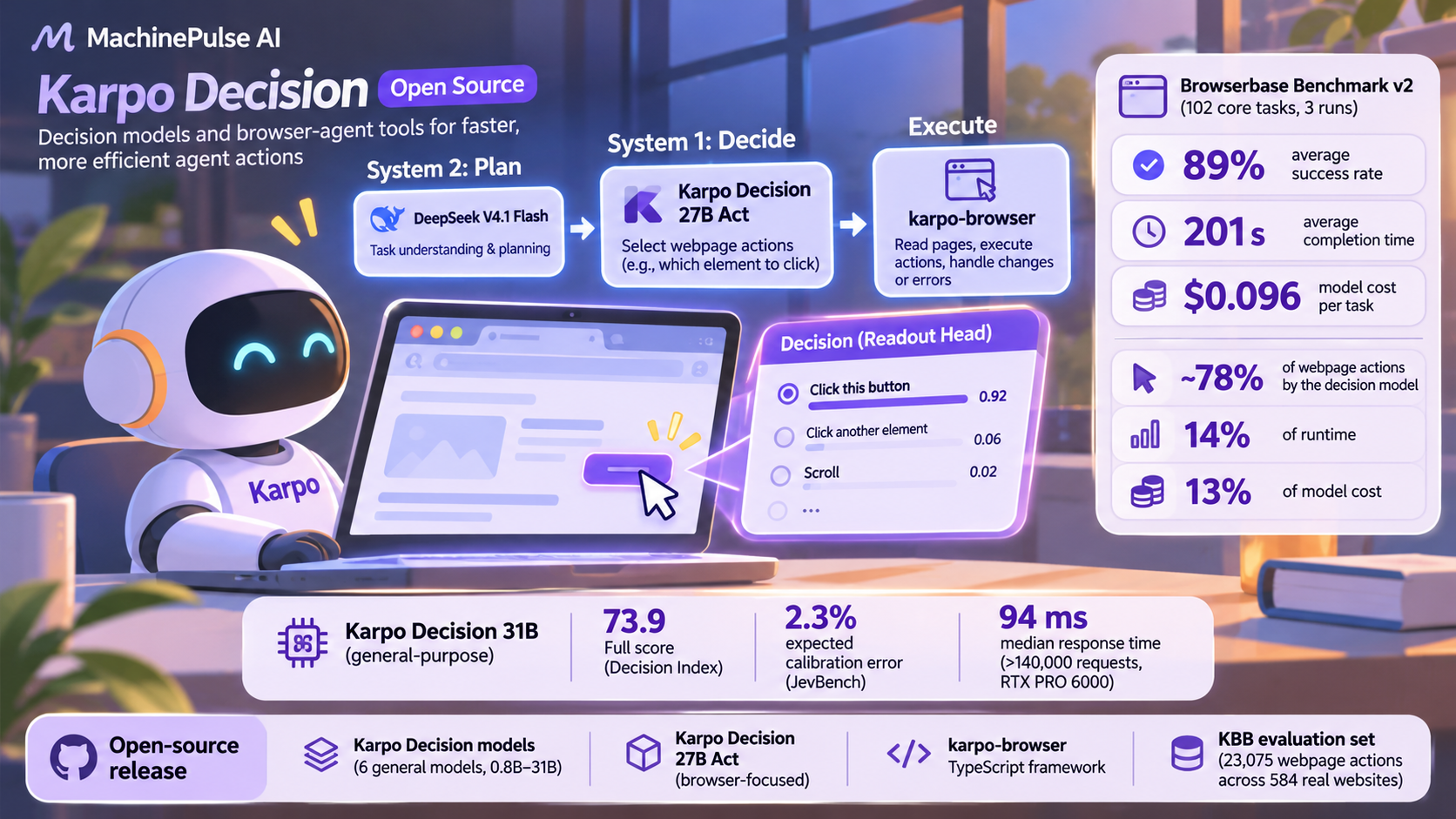
In a report published on November 21, 2026, MachinePulse AI introduced an open-source set of Karpo Decision models alongside tools for building browser agents. The release includes six general decision models, ranging from 0.8B to 31B parameters, plus the browser-focused Karpo Decision 27B Act model, the TypeScript karpo-browser framework and the KBB evaluation set.
The intended division of labor is straightforward: a general-purpose language model plans a task, while a decision model handles frequent choices such as which page element to click next. In MachinePulse’s browser setup, DeepSeek V4.1 Flash handles planning and task interpretation; Karpo Decision 27B Act selects webpage actions; and karpo-browser reads pages, executes actions and handles changes or errors. The report says developers can connect the browser tools to agents such as Claude Code and Codex through MCP.
What the reported tests show
MachinePulse reported an 89% average success rate and 201-second average completion time across three runs of all 102 core tasks in Browserbase Benchmark v2, at a reported model cost of $0.096 per task. It said the decision model performed about 78% of webpage actions while accounting for 14% of runtime and 13% of model cost. These are the team’s reported measurements, not an independently established ranking: the article notes that Karpo was marked as not participating in the benchmark leaderboard, and that other entries used a different evaluation scope of 38 tasks and one run.
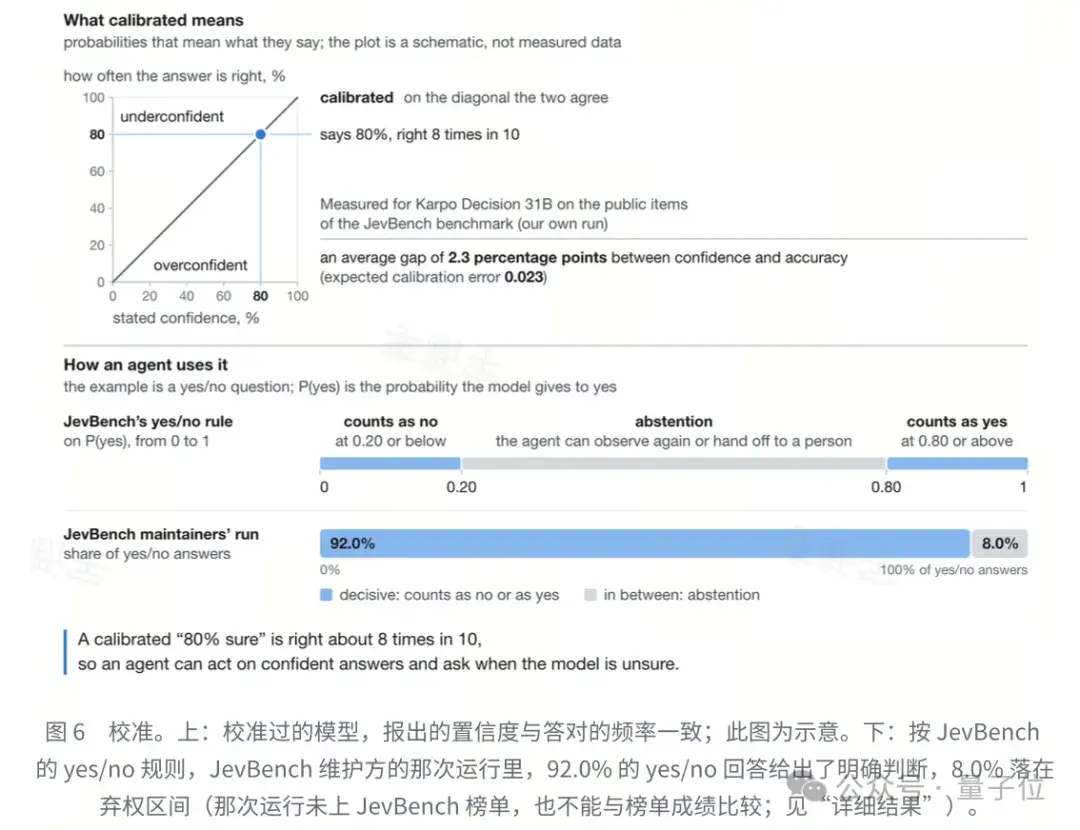
For the general-purpose Karpo Decision 31B, the report cites a 73.9 Full score on Decision Index and 2.3% expected calibration error on public JevBench questions. It also reports a 94 ms median response time over more than 140,000 requests on an RTX PRO 6000. Workload matters: a separate measurement on that GPU, for requests containing 1K–4K tokens, gave a 371 ms median for one question and 653 ms for requests containing 16–63 questions. These figures should not be treated as interchangeable latency guarantees.

How the decision model works
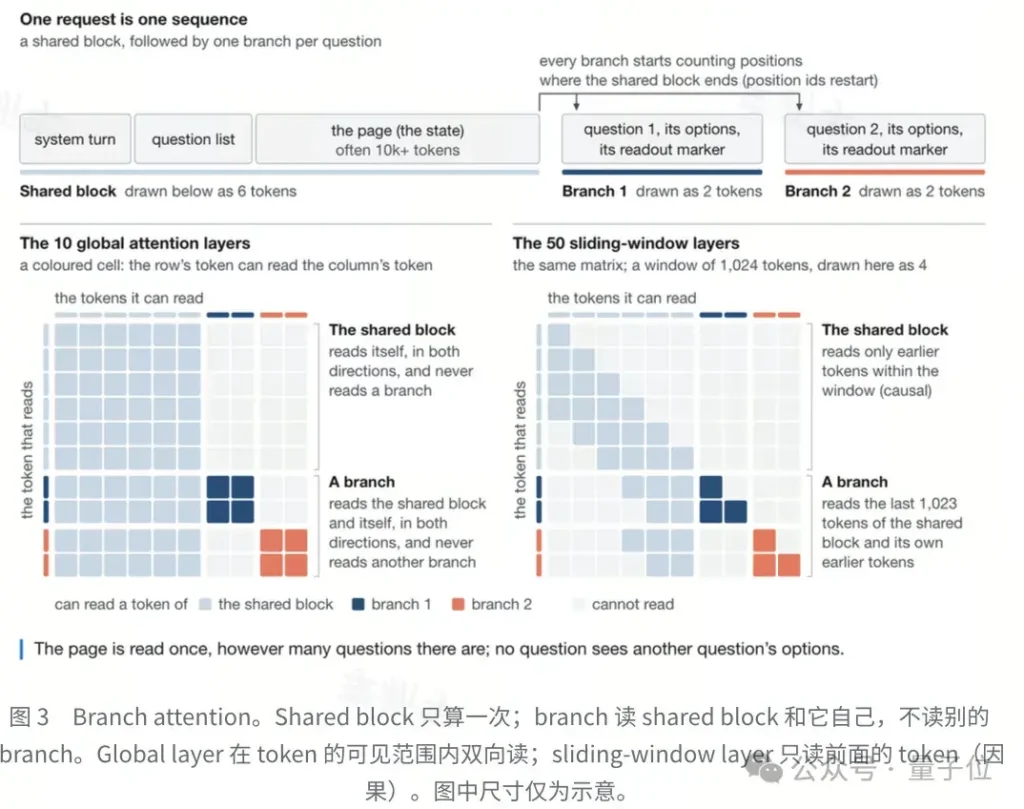
Rather than generating an answer token by token, Karpo uses a Readout Head to score candidate answers after a forward pass and return probabilities. The report describes three supported formats: choosing among up to 255 options, making a yes/no judgment, and assigning probabilities to rating levels. Its Branch Attention design calculates shared context once while keeping individual questions in separate branches; the reported context capacity is 256K.

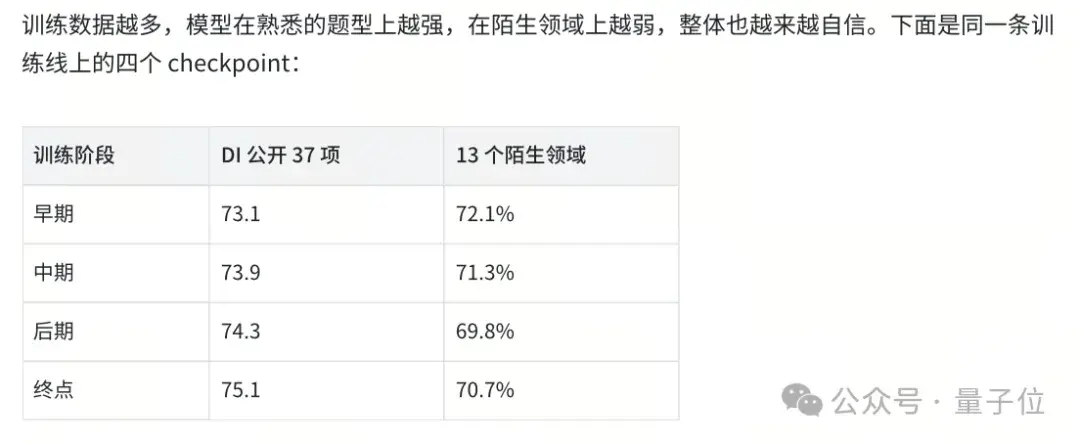
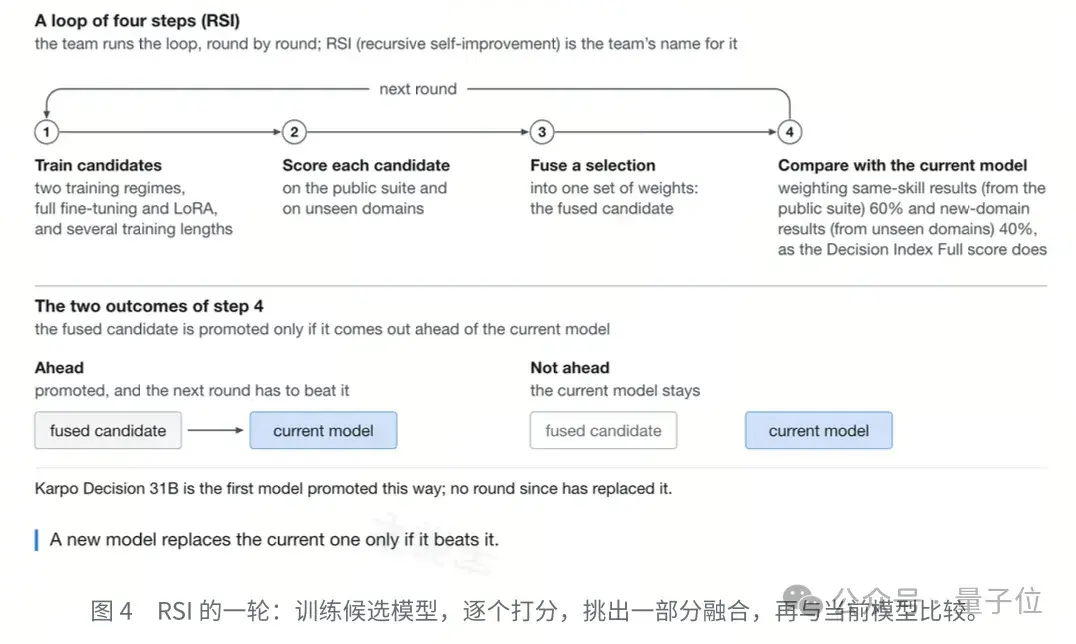
MachinePulse also describes training aimed at making the probabilities better calibrated and reducing specialization at the expense of unfamiliar tasks. In its account, fusing five model checkpoints kept a public-test score at 75.1 while raising accuracy on its 13 unfamiliar domains from 70.7% to 72.3%. Those domain results come from the team’s own evaluation.
For developers assessing the release, the practical question is whether this split between planning and action selection improves their own task success, latency and cost—not just action-selection speed in isolation. The accompanying KBB set reportedly covers 23,075 webpage actions across 584 real websites, using recorded pages and offline replay to test individual action choices. The released resources include the 31B model, 27B Act model, browser benchmark repository and MachinePulse GitHub organization.