
As reported on November 22, 2026, people were using AI coding tools to modify the software on TVs, cameras, music gear and other devices. The techniques themselves are not new: enthusiasts have long replaced firmware, installed alternative interfaces and built custom hardware. The change described in the report is that tools such as Claude Code and Codex can help more people attempt that work.
One example is CleanYourTV, a project by an India-based developer who goes by Gathin T. Frustrated by ads and a cluttered interface on his Xiaomi Android TV, he used Claude Code to help change its launcher. He said the setup required permission changes, USB debugging and a shared Wi-Fi network. The resulting interface removed onscreen ads and made it easier for him to switch to his PlayStation input.
Gathin later shared the work as CleanYourTV. He cautioned that the straightforward approach applies to Android-based TVs; modifications on other operating systems can require rooting or more explicit jailbreaking. His experience is an example, not a guarantee that the same steps will work on another TV.
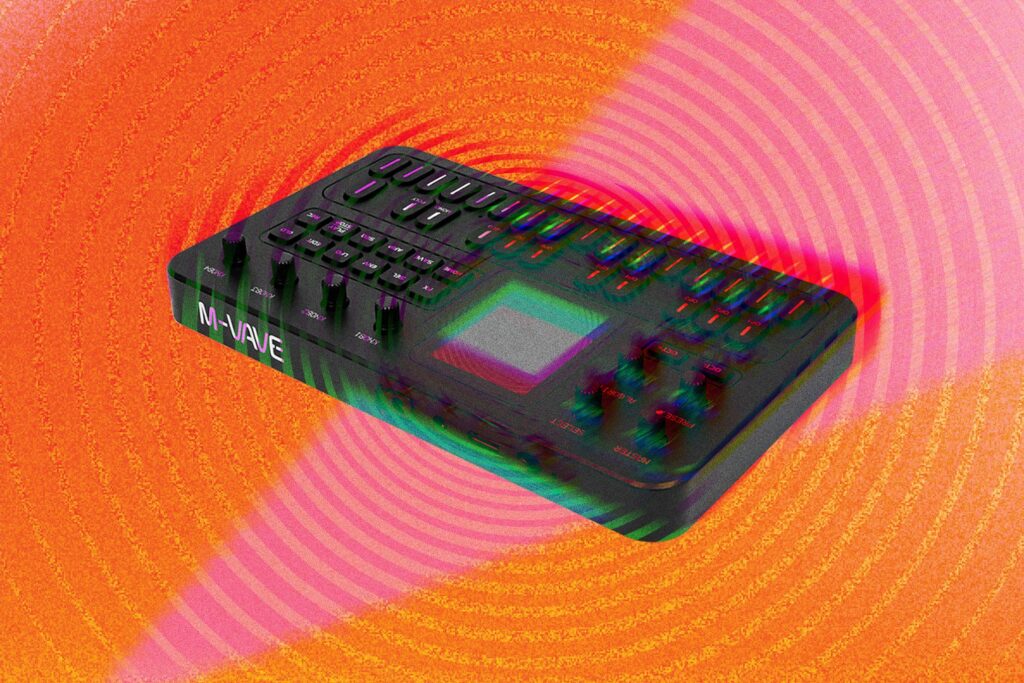
The report also described AI-assisted experiments with camera firmware, game consoles and music devices, including the M-Vave FM-1 synth. M-Vave has released open-source firmware for the FM-1. For people who would rather build than alter an existing product, ESP32-based boards and devices such as the M5Stack PaperMono offer another starting point for custom projects.
The practical distinction is between a reversible software change and an experiment that could leave a device unusable. Manufacturer support may not cover modified firmware, and Gathin has adjusted the prompts he shares so CleanYourTV first backs up the TV’s software, records changes and checks its progress. Those safeguards do not make the process foolproof: device differences and software updates can introduce new failure points. His advice is to avoid giving an AI tool access to anything you cannot afford to lose; he uses a separate Linux computer as a sandbox for experiments.