
Originally reported by FreeBuf on November 9, 2026.
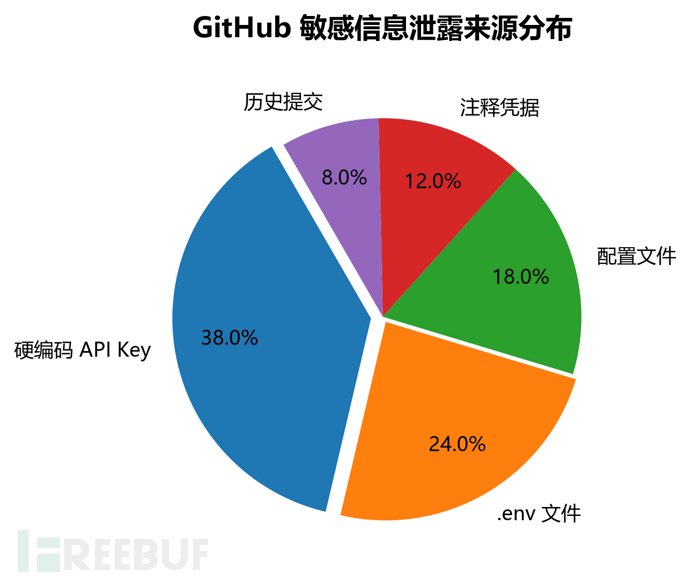
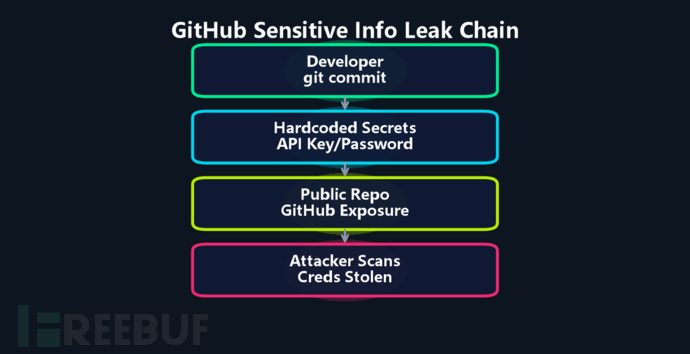
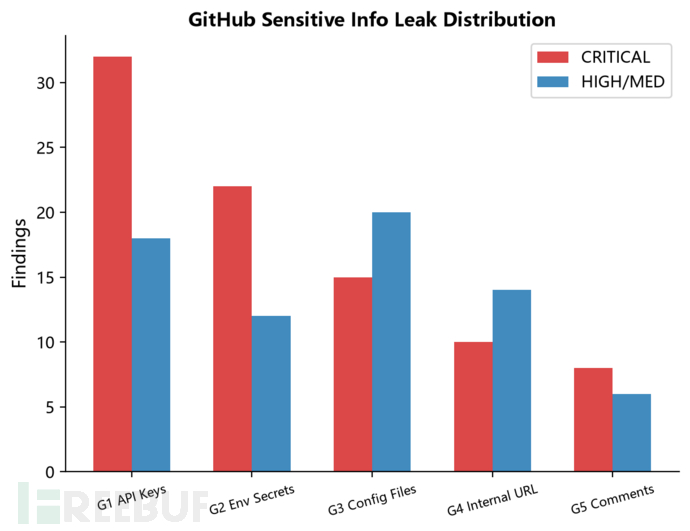
A credential committed to a repository can remain in Git history even after it is removed from the latest version of a file. In a FreeBuf article, the author describes GitLeakScan, a Python scanner intended to flag five kinds of sensitive information: hard-coded API keys, secrets in .env files, credentials in configuration files, internal URLs, and credentials left in comments.
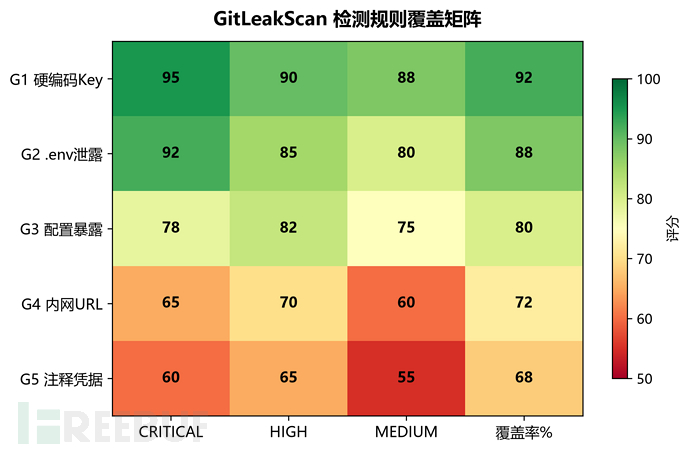
According to the author, GitLeakScan recursively scans a supplied directory, skips .git and binary files, and reports a category and risk level for each match. It also has a no-argument demonstration mode with built-in examples. The output shown in the article demonstrates those examples; it does not establish how accurately the tool detects secrets in real repositories. The article does not provide the scanner’s source code or a reproducible benchmark, so its detection-rate claims should not be treated as independently verified.
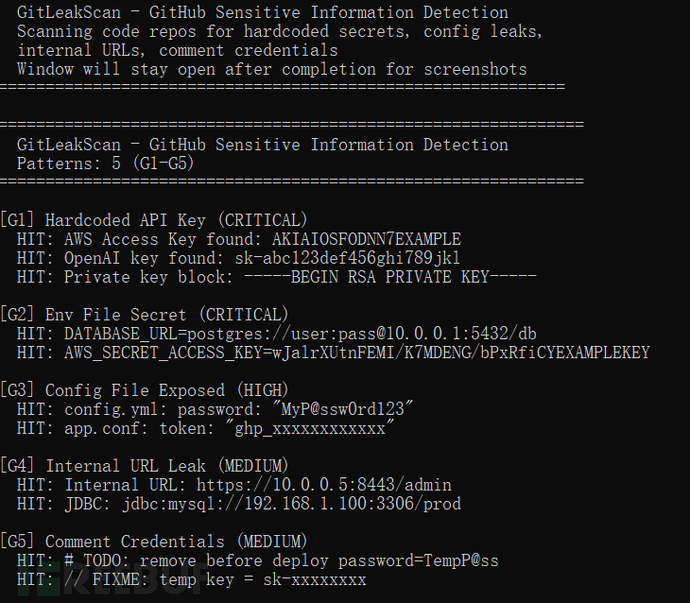
For a development workflow, the useful distinction is between finding a suspected secret and preventing or containing a leak:
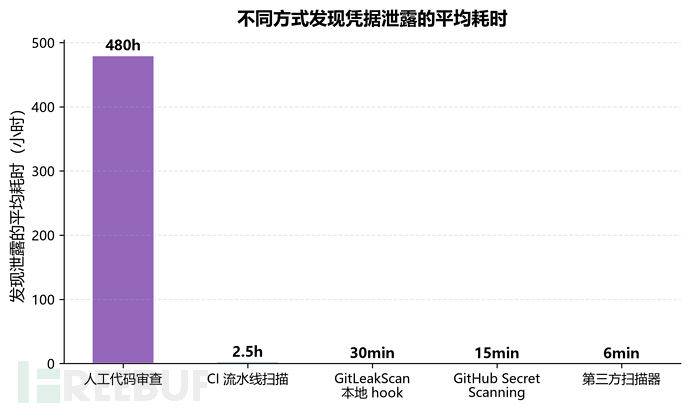
- Keep credential values out of source code. The article recommends environment-based configuration for development and a secrets manager, such as Vault or AWS Secrets Manager, for production.
- Exclude local
.envfiles from commits and review configuration files, examples, and comments for values that should not be published. Adding a file to.gitignoredoes not undo an earlier commit. - Run secret checks before commits and in CI. The article proposes using GitLeakScan in a pre-commit hook and a pipeline, but its example command,
python gitleakscan.py ./src/, is a scan invocation—not a hook installation procedure. - Treat a confirmed exposed credential as compromised: revoke or rotate it, investigate possible use, then remove it from code and address repository history. Deleting the current file alone cannot invalidate a credential someone may already have copied.

These checks have limits. Pattern matching can flag harmless examples or miss secrets whose format it does not recognize; an internal URL is also not, by itself, proof of access to an internal system. The article’s practical lesson is to combine scanning with credential separation and prompt rotation, rather than relying on a single detector.